Managing energy across multiple properties is becoming more complex as costs rise and expectations shift. Property managers are now under increasing pressure to reduce energy usage, improve building performance, and meet both regulatory and tenant demands.
Across the UK, buildings account for around 30% of total energy consumption, making them a major focus for efficiency improvements. At the same time, energy prices remain volatile, and tenants are more aware than ever of how energy performance impacts their costs and comfort.
As a result, renewable energy solutions are no longer a future consideration, they’re becoming a practical and necessary part of modern property management.
Why Property Managers Should Act Now
There’s a growing need for property managers to take a more proactive approach to energy. Regulations are tightening, particularly around minimum EPC standards, with a strong push towards achieving at least a band C rating across many property types in the coming years.
Alongside this, tenant expectations are changing. Occupiers are increasingly looking for energy-efficient buildings that help reduce their bills and provide a more comfortable environment. Properties that fail to keep up risk higher vacancy rates and lower long-term value.
By implementing renewable energy solutions, property managers can improve efficiency, reduce operational costs, and create more attractive spaces for tenants while preparing for future requirements.
Solar Panels
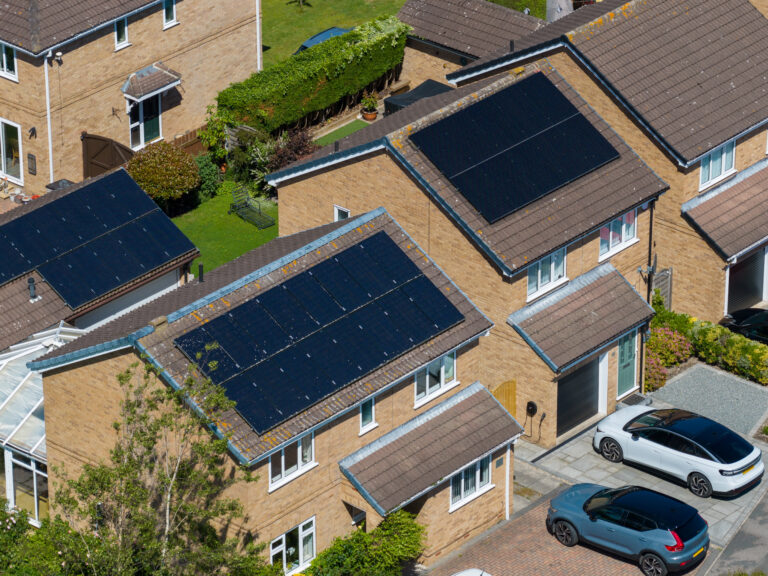
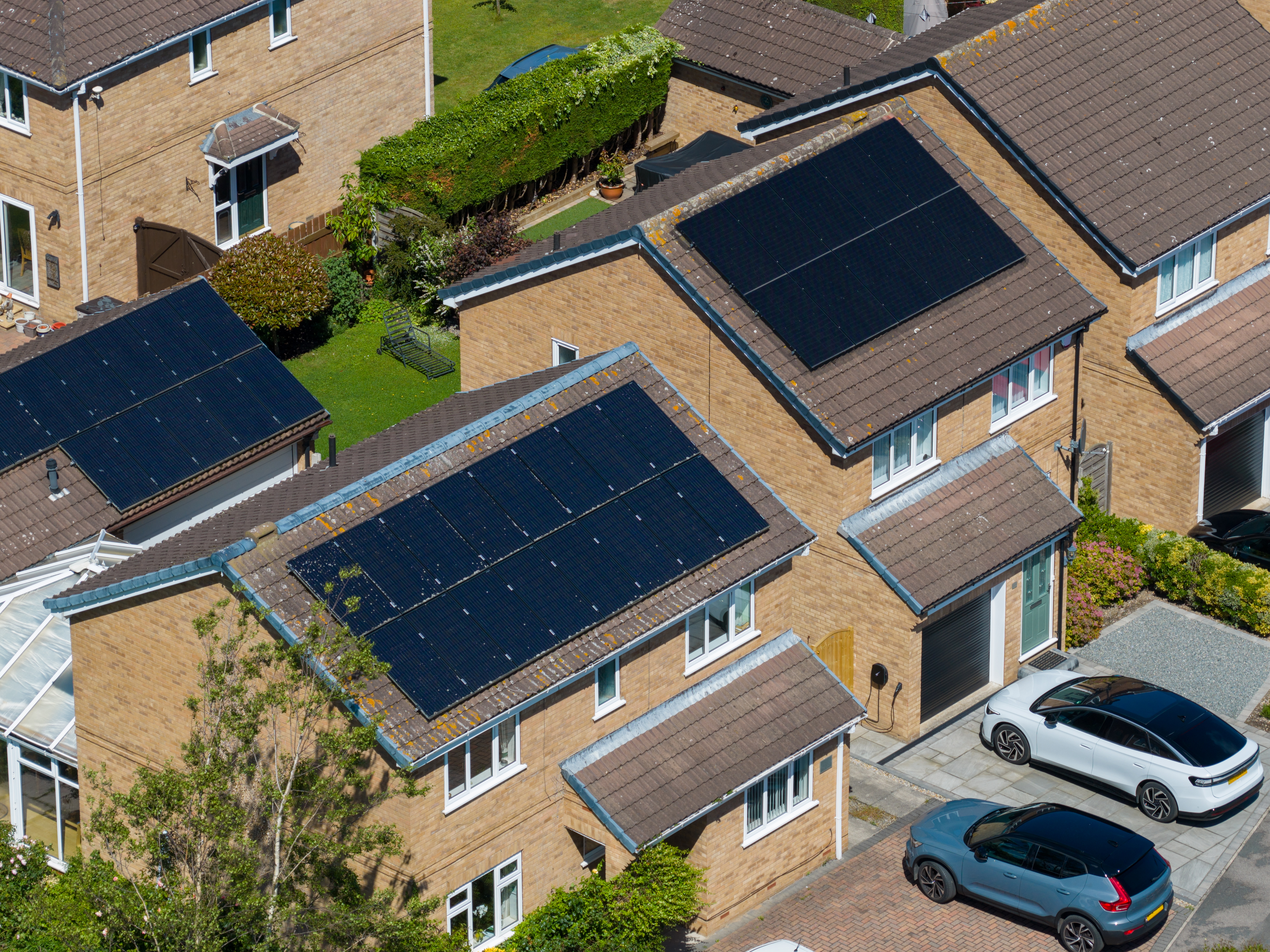
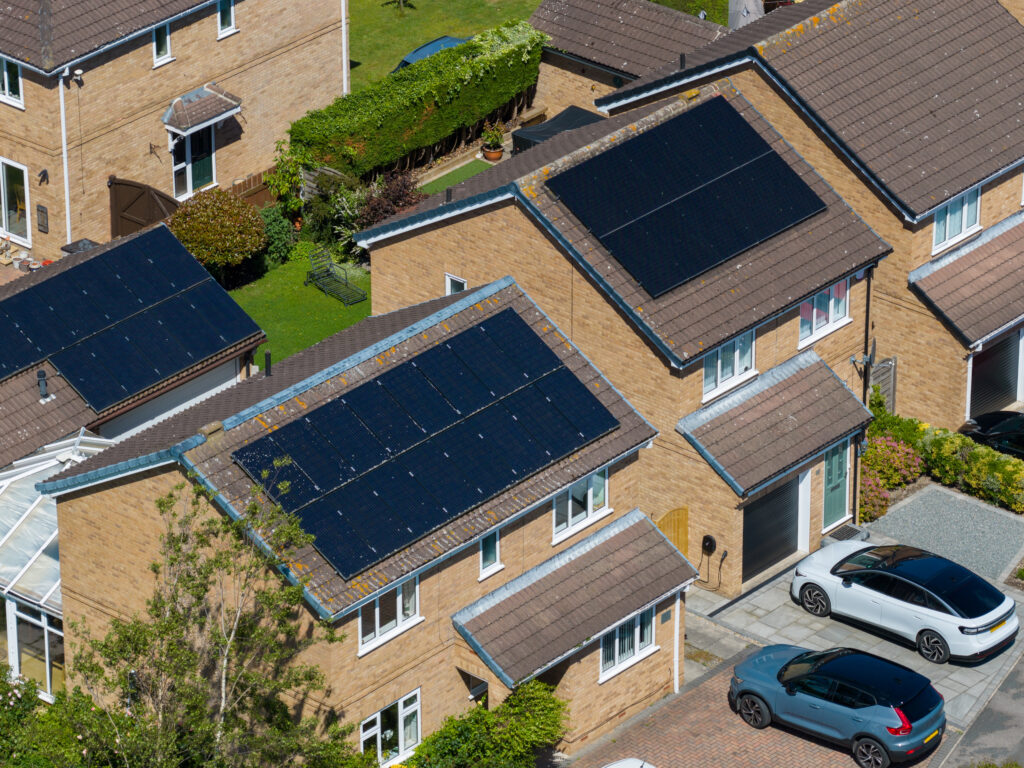
Solar panels provide a reliable way to generate electricity onsite, reducing reliance on the grid and lowering energy costs over time. They are particularly effective on properties with large, unobstructed roof space.
In the UK, solar capacity has grown rapidly, with over 15GW installed nationwide, reflecting increasing adoption across both residential and commercial buildings. This growth highlights the role solar is playing in reducing energy costs and supporting sustainability goals.
For property managers, solar panels can be used to power communal areas or shared services, helping to reduce operating expenses and improve the overall appeal of a property to tenants.
LED Lighting Upgrades
LED lighting is one of the easiest and most cost-effective upgrades to implement across a property portfolio. Compared to traditional lighting, LEDs can use up to 80% less energy and last significantly longer.
In communal areas such as corridors, stairwells, and car parks, where lighting is often used continuously, switching to LEDs can deliver immediate savings. When combined with motion sensors or timers, energy usage can be reduced even further.
For property managers, this is often a quick and low-disruption improvement that enhances both efficiency and the overall appearance of a building.
Combined Heat and Power
Combined Heat and Power (CHP) systems generate electricity while capturing and reusing heat, making them a highly efficient solution for certain types of properties.
They are best suited to buildings with a constant demand for both heat and electricity, such as large residential developments, hotels, and leisure facilities. By producing both at the same time, CHP systems reduce energy waste and improve overall efficiency.
While more complex to install, they can offer strong long-term value where the demand profile is right.
IoT and Energy Monitoring
Understanding how energy is used is key to managing it effectively. IoT devices and energy monitoring systems give property managers real-time visibility across their buildings.
This allows for better control of heating, cooling, and lighting, ensuring energy is only used when needed. It also helps identify inefficiencies, such as equipment running outside of operating hours or areas consuming more energy than expected.
For larger portfolios, this level of insight is essential for making informed decisions and improving performance over time.
Heat Pumps
Heat pumps are becoming a key alternative to traditional gas heating systems. They work by extracting heat from the air or ground and using it to provide heating and hot water.
They are highly efficient and support lower carbon emissions, making them an important solution as the UK moves towards low-carbon heating.
For property managers, heat pumps are particularly relevant for new developments or refurbishment projects, where systems can be designed to maximise their efficiency. Plus, through the Boiler Upgrade Scheme, property owners in England and Wales can receive grants of up to £7,500 towards the cost of installing an air source or ground source heat pump.
There’s no single solution that works for every property. The most effective approach is often a combination of technologies that work together to reduce energy use and improve efficiency.
For property managers, the focus should be on identifying where the biggest opportunities lie across their portfolio. Whether it is a simple lighting upgrade or a more comprehensive renewable strategy, these changes can deliver long-term benefits.
From identifying suitable solutions to understanding costs and potential savings, expert support helps ensure the best outcome. Get in touch with Renewable Energy Solutions to discuss your portfolio and find the right approach for your properties.