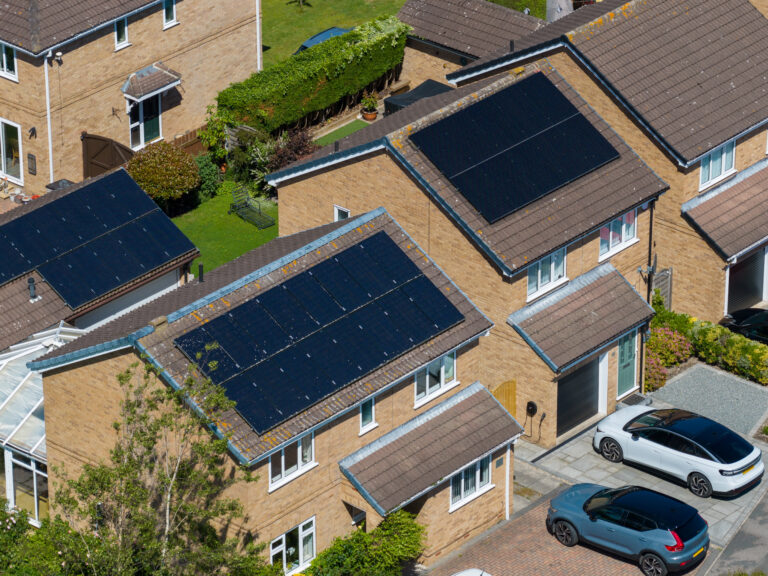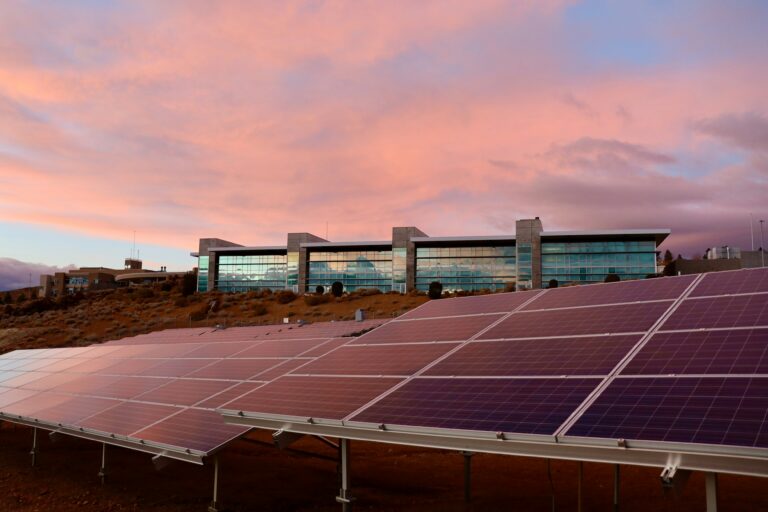
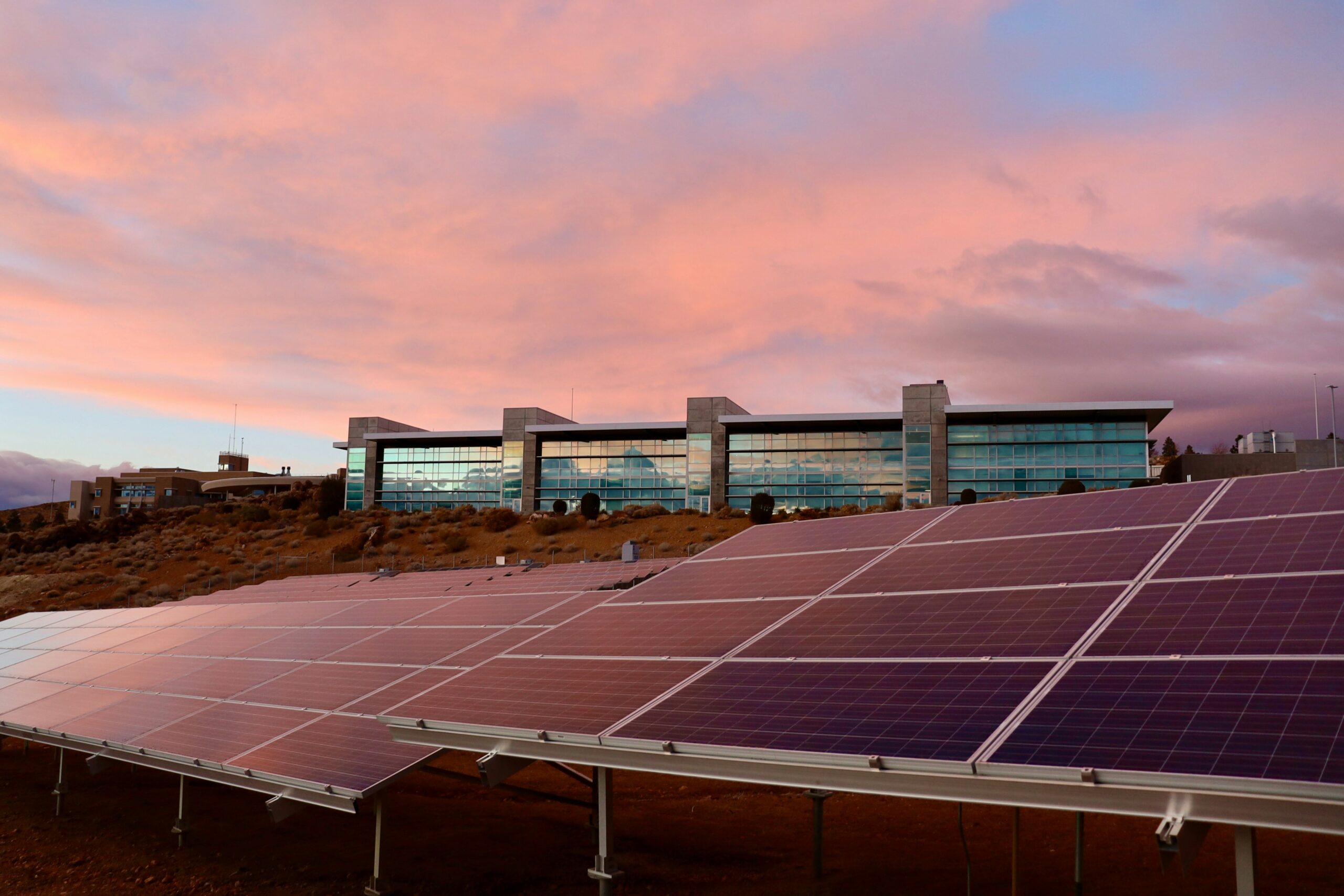
For many businesses, installing solar panels makes a lot of sense. They can lower electricity costs, provide more predictable energy pricing, and support sustainability goals. The challenge is often with the initial investment.
As a general guide, the cost of commercial solar installations varies depending on system size. Smaller systems around 10 kW (around 20 panels) typically cost between £13,000 and £15,000 to install, while larger systems such as 100 kW (around 200 panels) can range from roughly £60,000 to £120,000. These prices aren’t always easy to justify alongside other business priorities.
The good news is that solar projects no longer have to be funded entirely upfront. A range of financing options now allow businesses to install solar while spreading the cost over time. In many cases, businesses can start benefiting from solar power straight away while paying for the system gradually.
Power Purchase Agreements (PPAs)
A Power Purchase Agreement is one of the most common ways businesses install solar without paying for the system themselves. With a PPA, a third-party provider installs and owns the solar system on your premises. Your business simply purchases the electricity that the system generates at an agreed rate, usually lower than the cost of grid electricity.
Since the provider is responsible for installing, maintaining, and managing the system, businesses can access solar energy without the responsibility of owning or maintaining the equipment. This makes PPAs a popular option for organisations that want the benefits of solar without the outright financial commitment of purchasing a system.
Solar Leasing
Solar leasing is another option that allows businesses to use solar energy without paying the full cost upfront. A provider installs the solar panels on your site and retains ownership of the system. Your business then pays a fixed monthly fee to use the equipment and benefit from the electricity it produces.
This structure makes budgeting easier, as payments are predictable throughout the agreement. It also allows businesses to adopt renewable energy without needing to commit large amounts of capital at the start.
Asset Finance
Asset finance allows businesses to spread the cost of a solar installation while eventually owning the system themselves. A finance provider funds the equipment, and the business repays the cost through regular instalments over an agreed period. Once the finance agreement is complete, the solar system becomes a fully owned asset.
For businesses planning to stay at their premises long term, this option can be attractive because it allows them to benefit from long-term electricity savings once the repayment period ends.
Green Loans and Sustainability Finance
Many lenders now offer finance products specifically designed for sustainability projects, including commercial solar installations. Green loans are often structured with competitive rates and flexible repayment terms, helping businesses invest in renewable technology while managing cash flow.
Some lenders may also offer preferential terms for projects that contribute to carbon reduction or improved energy efficiency. This type of financing can make solar more accessible while supporting wider environmental goals.
Grants and Incentive Schemes
In some cases, businesses may also be able to access grants or funding schemes that support renewable energy projects.
For example, the Smart Export Guarantee (SEG) allows businesses with solar panels to receive payments from energy suppliers for any excess electricity exported back to the grid. This can create an additional revenue stream alongside the energy savings generated by the system itself.
There are also tax incentives for on-site renewable energy generation, including business rates exemptions for eligible technologies such as rooftop solar panels and battery storage until March 2035. This can reduce the overall operating costs of installing renewable energy systems.
In addition, some regional and local authority funding programmes support businesses investing in low-carbon technologies, including solar PV. These grants vary by region and sector but can provide partial funding to help reduce installation costs.
While availability can vary depending on location and sector, these incentives can help reduce the overall cost of installation. Even partial funding can significantly improve the financial case for investing in solar. It’s always worth exploring whether any regional or industry programmes are currently available before planning a project.
The way solar projects are funded has changed significantly in recent years. Businesses no longer need to treat solar as a large capital purchase that must be paid for upfront.
With options such as PPAs, leasing, and green finance, it is possible to install solar while spreading the cost over time. For many businesses, this makes solar not just a sustainability decision, but a practical financial one as well.