With energy prices continuing to fluctuate across the UK, businesses are under increasing pressure to reduce costs wherever possible. While many focus on tariffs or large-scale operational changes, one of the most effective ways to cut energy spend is often much simpler: upgrading to LED lighting.
LED lighting has become the go-to solution for businesses looking to improve efficiency, but a common question remains. How much can businesses actually save, and is it worth making the switch?
Why LED Lighting Shouldn't Be Overlooked
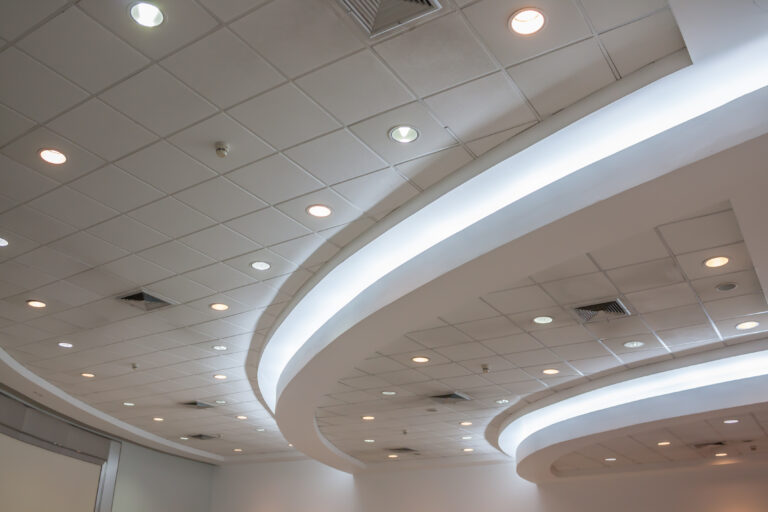
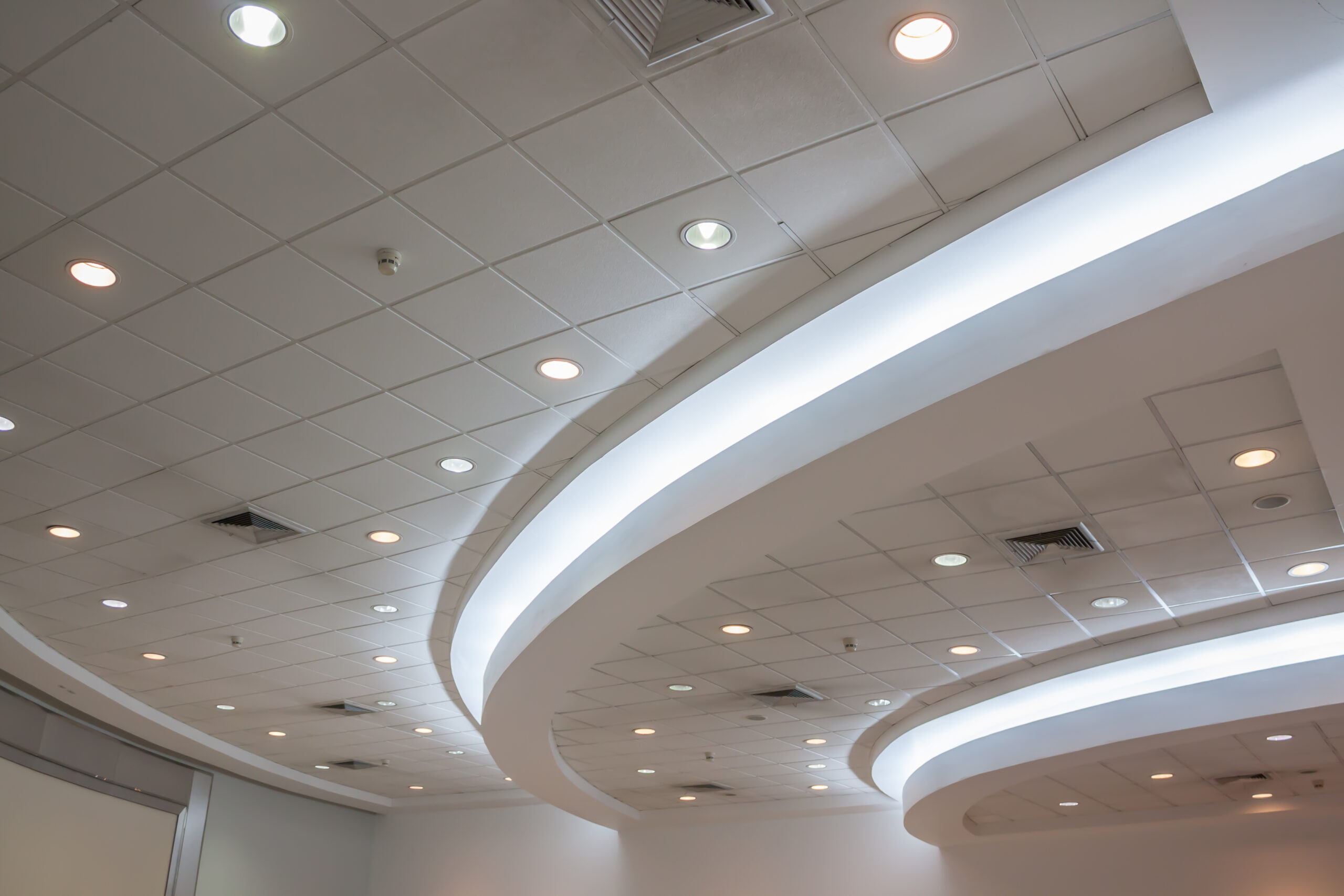
Lighting is a much bigger contributor to energy usage than many businesses realise. In commercial environments such as offices, warehouses and retail spaces, lighting can account for up to 40 percent of total electricity consumption.
This means that inefficient lighting systems can quietly drive up costs month after month. Older technologies such as halogen, fluorescent and incandescent bulbs consume far more electricity than modern alternatives, often without businesses fully realising the impact.
By focusing on lighting alone, businesses can make a noticeable reduction in their energy usage without disrupting day-to-day operations.
How LED Lighting Reduces Energy Costs
LED lighting is significantly more efficient than traditional lighting technologies. In many cases, LEDs use around 80-90% less energy than older bulbs. This improvement in efficiency comes from how LEDs convert electricity into light, producing far less wasted heat in the process.
For businesses, this translates directly into lower electricity bills. Depending on the type of building and how long lights are used each day, switching to LED lighting can typically reduce lighting energy costs by between 50 and 70 percent. Switching just one 100 watt incandescent bulb to an LED bulb could save you up to £15 per bulb per year.
For example, a retail space that keeps lights on for long opening hours will see much greater savings compared to a small office with limited usage. The more a business relies on lighting, the more impactful the upgrade becomes.
The Financial Impact Over Time
While the upfront cost of installing LED lighting can be higher than simply replacing like-for-like fittings, the long-term savings are where the real value lies.
Most businesses in the UK see a return on investment within one to three years, although this can vary depending on the size of the site and the scale of the upgrade. After this payback period, the reduced energy costs translate into ongoing savings year after year.
For businesses with large premises or multiple locations, the financial impact can be substantial. Lower monthly energy bills combined with improved efficiency make LED lighting one of the most cost-effective upgrades available.
Reduced Maintenance and Operational Costs
Energy savings are only part of it. LED lighting also lasts significantly longer than traditional bulbs, which means fewer replacements and lower maintenance costs.
In practical terms, this reduces the need for regular upkeep, especially in larger facilities where changing bulbs can be time-consuming or require specialist access equipment. Some estimates suggest maintenance costs can be reduced by up to 70 percent when switching to LED lighting.
This not only saves money but also minimises disruption, allowing businesses to operate more smoothly without frequent interruptions for repairs or replacements.
Supporting Sustainability Goals
Beyond cost savings, LED lighting upgrades also help businesses reduce their environmental impact. Lower energy consumption leads directly to reduced carbon emissions, which is increasingly important as the UK continues to move towards net zero targets.
For organisations with sustainability goals or reporting requirements, switching to LED lighting is a straightforward and measurable way to improve environmental performance. It demonstrates a commitment to efficiency while delivering clear financial benefits at the same time.
As expectations around sustainability continue to grow, making simple, practical changes like this can also support a stronger overall business strategy.
Are There Any Barriers to Consider?
The main challenge businesses face when considering LED upgrades is the initial investment. Replacing entire lighting systems can require upfront capital, which may cause hesitation, particularly for smaller businesses.
However, when viewed over the long term, the combination of energy savings, reduced maintenance costs and relatively quick payback periods makes the investment highly worthwhile. In many cases, the savings begin to offset the initial cost much sooner than expected.
There may also be opportunities to phase upgrades over time or prioritise high-usage areas first, helping to spread the cost while still delivering early savings.
So, How Much Can Businesses Really Save?
The exact level of savings will vary depending on the type of business, the size of the premises and how lighting is used.
Most businesses can expect to reduce their lighting energy costs by at least half, with some achieving even greater savings. When combined with lower maintenance costs and longer-lasting equipment, the financial benefits become even more significant.
Lighting may seem like a small part of overall operations, but its impact on energy spend is substantial. Upgrading to LED is not just a technical improvement, it is a practical and proven way to reduce costs and improve efficiency.
LED lighting upgrades offer a simple yet highly effective solution for businesses looking to manage energy costs more efficiently. With strong savings potential, quick returns and added sustainability benefits, it’s an option that delivers on multiple fronts.
For businesses reviewing their energy usage, lighting is one of the easiest places to start. The technology is well established, the results are measurable, and the long-term value makes it a smart investment for organisations across the UK. Get in touch with our team today to find out how much you could reduce your energy costs with a tailored LED lighting solution.