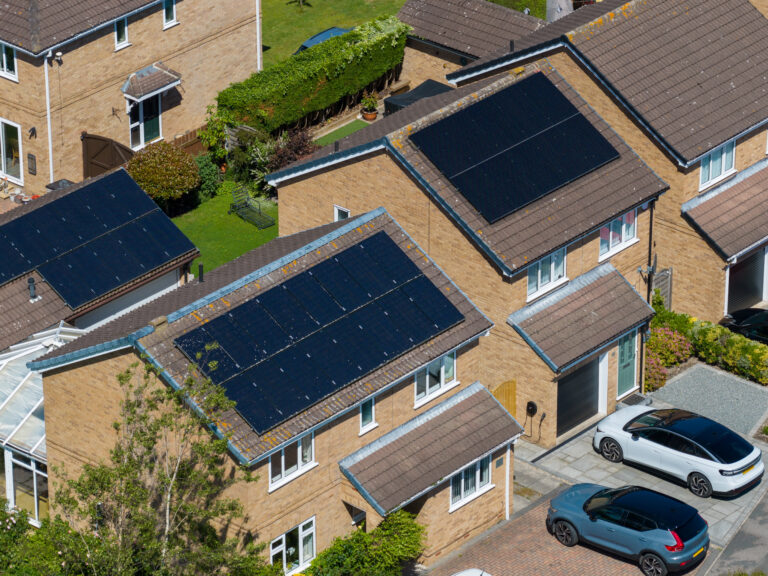
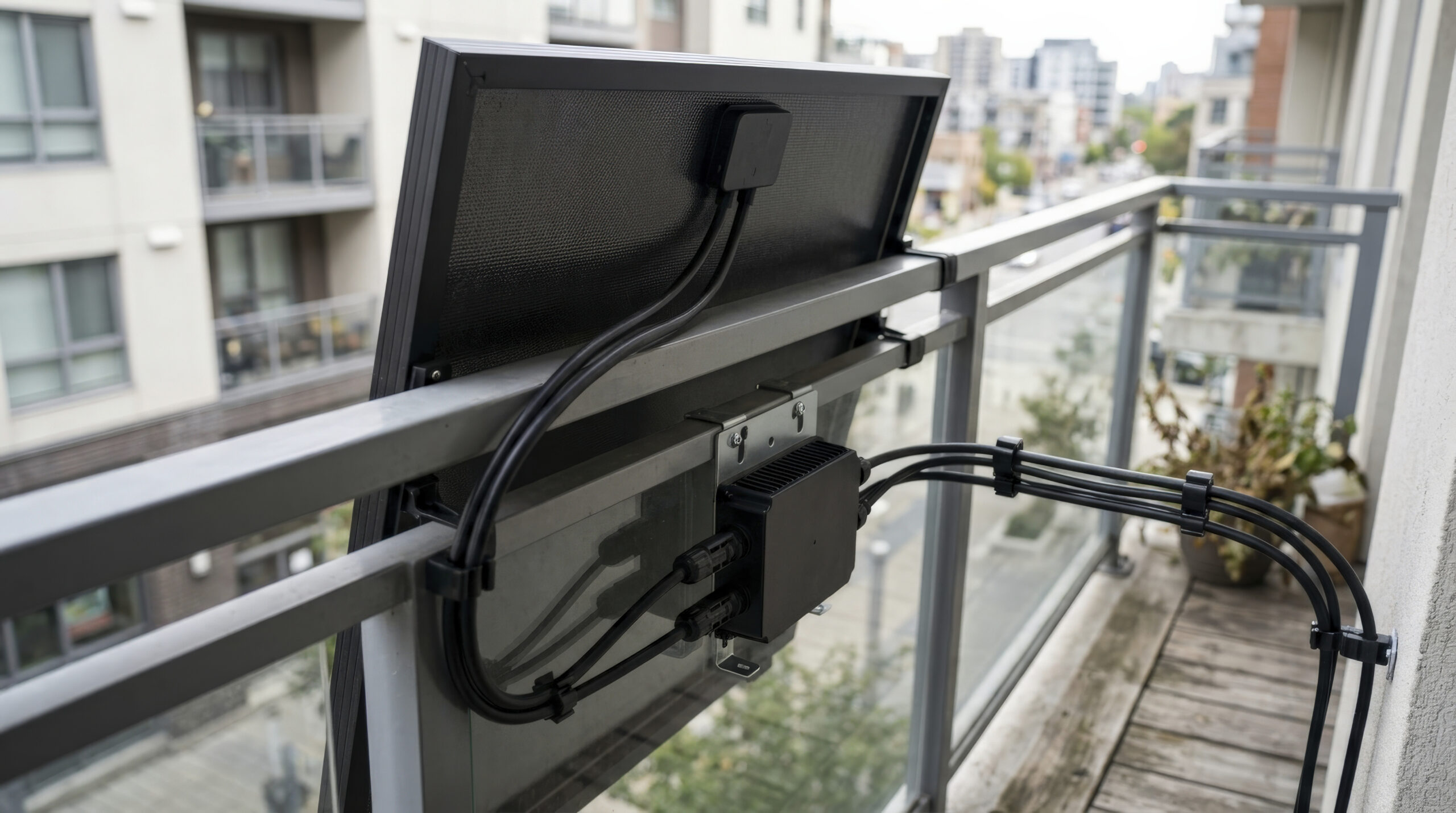
The UK government is exploring plans to make plug-in solar panels available to households across the country, with supporters claiming they could provide a simple and affordable way for more people to benefit from solar power. However, while the technology has generated plenty of excitement, these proposals are still under consultation and no final decisions have been made.
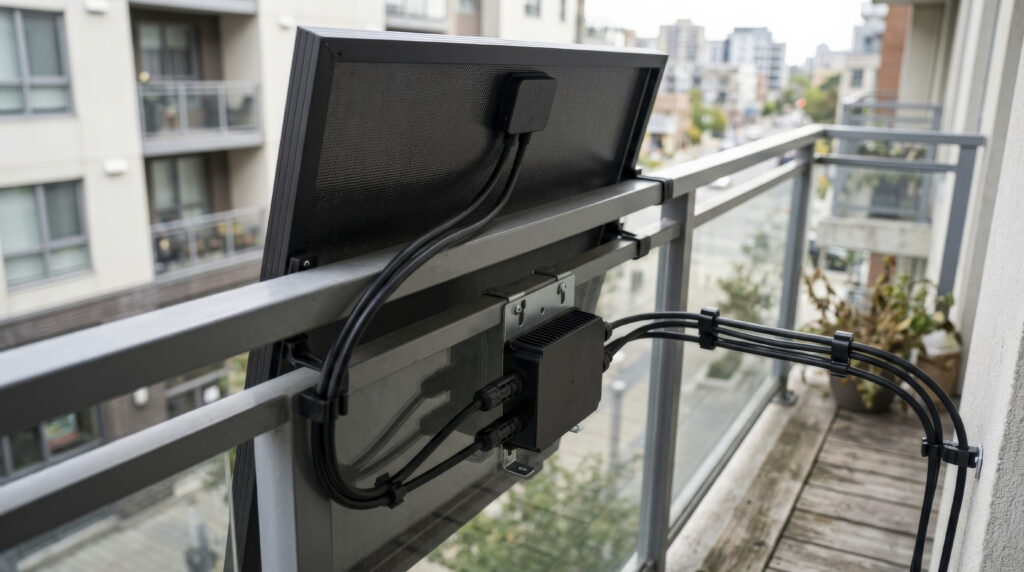
Often referred to as “plug-in solar”, “plug-and-play solar” or “balcony solar”, these systems are designed to be much smaller and simpler than traditional rooftop solar installations. Instead of being permanently connected to a property’s electrical system, they can be mounted on a balcony, garden wall, fence or flat roof and plugged directly into a standard socket.
The government has launched a consultation to explore how these products could be safely introduced into the UK market, with several major retailers reportedly expressing interest in stocking them if regulations are updated.
What Are the Potential Benefits of Plug-In Solar?
One of the main attractions of plug-in solar is accessibility. Traditional solar panel systems can cost several thousand pounds and typically require professional installation. Plug-in systems are expected to be significantly cheaper, with some estimates suggesting entry-level systems could cost around £400.
This lower cost could make solar energy more accessible to households that have previously been unable to invest in renewable energy technologies. Renters, flat owners and people living in properties where rooftop solar is not practical could potentially benefit from a small-scale solar solution.
The government believes plug-in solar could help households reduce their reliance on grid electricity and lower energy bills. Early estimates suggest annual savings could range from around £70 to £110 depending on usage patterns, system size and electricity prices.
While these savings are considerably lower than those typically achieved through a full rooftop solar installation, the lower upfront cost could make the return on investment more attractive for some households.
Is Plug-In Solar Actually Safe?
Safety is currently one of the biggest topics in the ongoing consultation. Several leading electrical safety organisations, including the Institution of Engineering and Technology (IET), Electrical Safety First, NICEIC and the Electrical Contractors’ Association, have urged the government to proceed carefully. They argue that important questions remain around product standards, installation requirements and long-term safety.
Some electricians have reportedly stated that they are unwilling to install plug-in solar systems until clearer guidance and regulations are introduced. Concerns have been raised about how the technology interacts with existing household wiring and electrical protection devices.
However, government-backed testing has produced encouraging results. Independent safety assessments found that properly designed plug-in solar systems did not overheat during testing and continued to operate safely even when connected to older sockets and extension leads. The tests also confirmed that the systems could automatically shut down during a power outage through a safety feature known as anti-islanding, which helps prevent electricity from flowing back into the grid when engineers may be working on power lines.
Despite these positive findings, many industry bodies maintain that a clear regulatory framework should be established before widespread adoption takes place.
How Easy Are They to Install?
One of the key selling points of plug-in solar is its simplicity. Unlike traditional solar systems, which often require scaffolding, roof surveys and specialist installers, plug-in solar panels are designed to be positioned in a suitable sunny location and connected via a standard household socket.
This could make installation significantly easier and more affordable for households that want to generate some of their own electricity without undertaking major home improvements.
However, ease of installation does not necessarily mean no expertise is required. Some electrical professionals argue that household wiring conditions vary significantly between properties and that inspections or additional guidance may still be necessary to ensure systems operate safely.
The final requirements for installation will depend on the outcome of the government’s consultation and any future regulations that are introduced.
What About Maintenance?
Maintenance requirements are expected to be relatively low. As with traditional solar panels, keeping the panels reasonably clean and free from heavy dirt or debris will help maintain performance. Because the systems are smaller and more accessible than rooftop installations, routine checks and cleaning may actually be easier for many users.
The inverter and electrical components would still need to meet safety standards and may require replacement or servicing over time, but overall maintenance is likely to be minimal compared with many other renewable energy technologies.
Could Plug-In Solar Work for Most Households?
The answer will depend on the property. Plug-in solar appears particularly suited to households with balconies, gardens, fences, patios or other outdoor spaces that receive good levels of sunlight. It could provide a practical option for renters and flat owners who may not have access to rooftop solar.
However, these systems are unlikely to replace conventional rooftop solar for households with higher energy demands. Plug-in solar panels are typically smaller and generate less electricity than a full rooftop installation, meaning the potential savings are also lower.
For many households, they may serve as a supplementary source of renewable energy rather than a complete solution.
What Happens Next?
At the time of writing, plug-in solar panels remain under consultation in the UK and are not yet widely available for use under existing regulations. The government is gathering feedback from industry stakeholders and safety organisations before deciding how the technology should be regulated.
The potential benefits are clear. Lower upfront costs, simpler installation and improved access to solar power could help more households reduce their reliance on grid electricity and lower their energy bills.
At the same time, concerns around product standards, installation practices and long-term electrical safety mean that many experts believe further work is needed before the technology can be rolled out on a large scale.
For now, plug-in solar remains a promising development rather than a confirmed solution. The outcome of the government’s consultation will determine whether these systems become a common feature of UK homes in the years ahead.