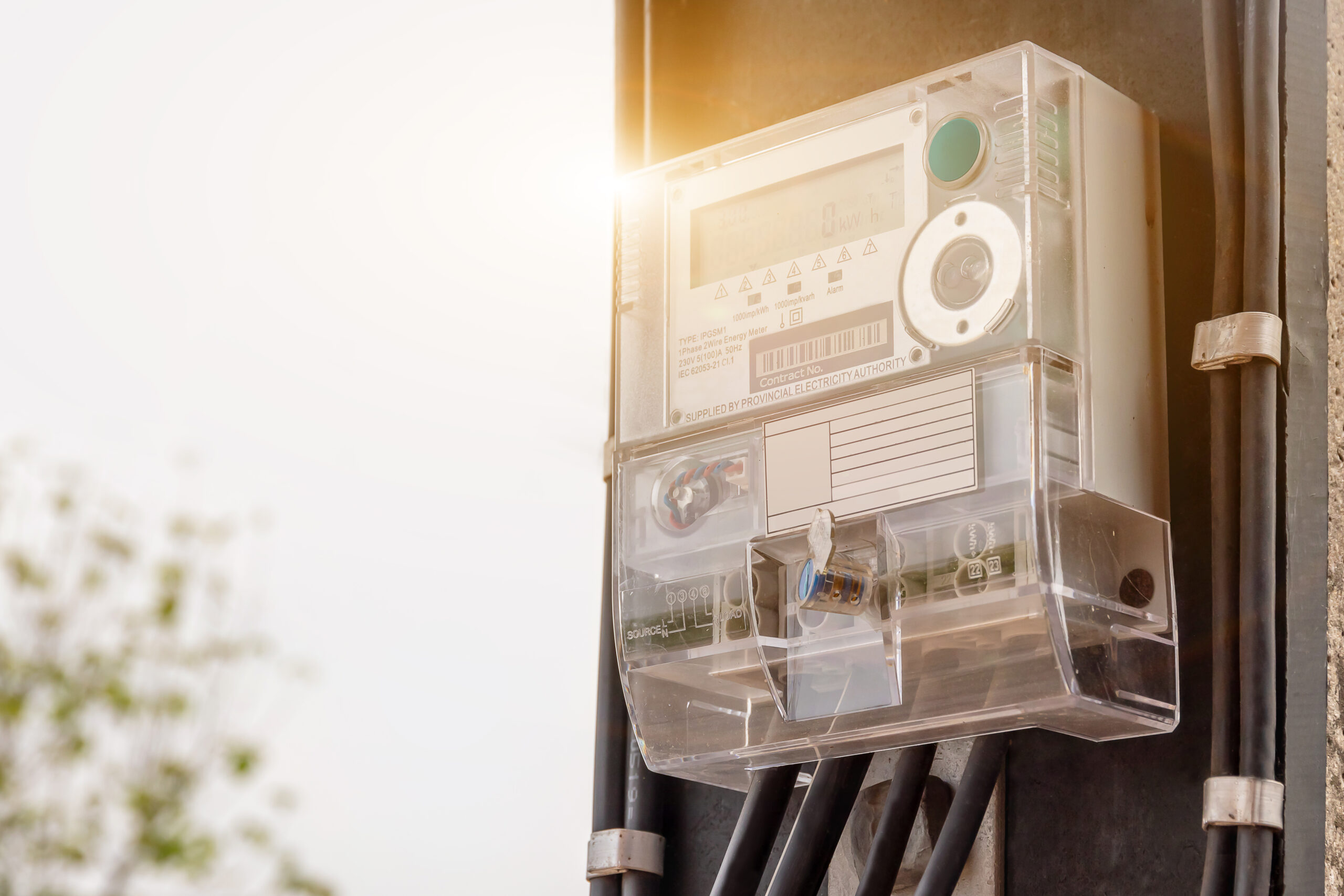
Smart meters are becoming an increasingly important part of how businesses manage their energy. While they’re often associated with automatic readings and more accurate bills, their benefits extend much further.
From understanding consumption patterns to identifying opportunities to reduce costs, smart metering can provide valuable information to support a more effective business energy strategy.
With further changes to smart metering requirements coming in 2027, now is a good time for businesses to understand the benefits and review their current metering arrangements.
What Is Smart Metering?
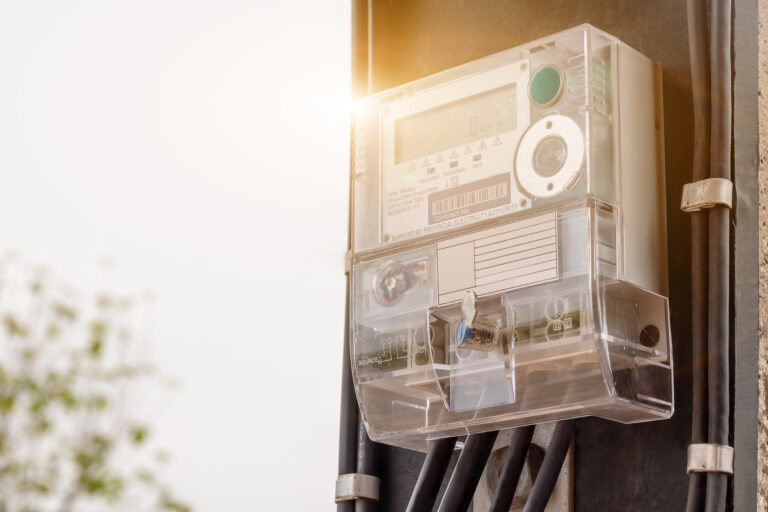
Smart meters are digital meters that automatically record and communicate energy consumption data to suppliers, reducing the need for manual readings.
Unlike traditional meters, smart meters can record electricity consumption at regular intervals, often every 30 minutes. This is known as half-hourly (HH) data, which provides a more detailed picture of when and how energy is being used throughout the day.
This also supports the industry’s transition to Market-wide Half-Hourly Settlement (MHHS), a major change to how electricity consumption is measured and settled across Great Britain. By using more detailed consumption data, MHHS aims to improve the accuracy of the electricity market and support more flexible energy tariffs.
For larger businesses, advanced meters, sometimes referred to as Automated Meter Reading (AMR) meters, offer similar benefits by automatically collecting and transmitting consumption data. Both can help businesses better understand their energy requirements and make more informed decisions.
More Accurate Billing and Automated Readings
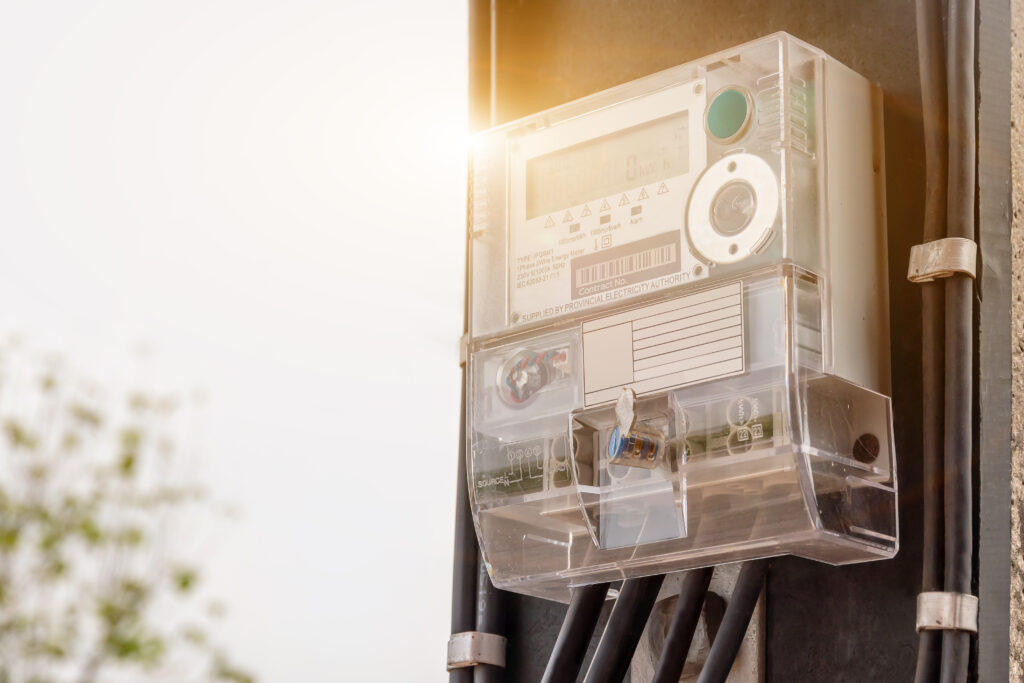
One of the most immediate benefits of smart metering is improved billing accuracy. Traditional meters often rely on businesses submitting manual readings. When these aren’t provided, suppliers may issue estimated bills based on previous consumption, potentially leading to unexpected charges when accurate readings are eventually obtained.
Smart meters help address this by automatically sending consumption data to suppliers, reducing estimated bills and the time spent submitting manual readings. However, it’s still worth checking that invoices are based on actual readings, as communication issues can occasionally prevent smart meters from transmitting data correctly.
Understanding Energy Consumption and Identifying Waste
Knowing how much energy your business consumes is useful, but understanding when that energy is being used can be even more valuable. Half-hourly consumption data helps businesses identify patterns that might otherwise go unnoticed.
For example, a business may discover that electricity consumption remains unusually high overnight, despite the premises being closed. This could indicate that equipment, heating or lighting is operating unnecessarily.
By reviewing consumption patterns, businesses can identify opportunities to reduce waste, adjust operating schedules and improve overall energy efficiency.
Making Better Energy Decisions With Reliable Data
An effective energy strategy should be based on accurate information rather than assumptions. Smart metering provides businesses with more detailed consumption data, helping them make informed decisions about their energy requirements. This information can be used to:
Review Energy Contracts
Understand consumption patterns when comparing tariffs and contract options.
Monitor Performance
Track energy usage over time and assess whether efficiency measures are delivering results.
Support Sustainability Goals
Measure progress towards energy reduction and carbon emission targets.
Identify Efficiency Improvements
Highlight areas where equipment upgrades or operational changes could reduce consumption.
Rather than simply reacting to rising energy bills, businesses can use this information to take a more proactive approach to managing energy costs.
Smart Metering Changes Coming in 2027
Smart metering is also becoming increasingly important from a regulatory and contractual perspective. From 1 September 2027, new requirements will mean energy suppliers must include agreements for smart or advanced meter installations when entering into new fixed-term contracts with eligible non-domestic customers who don’t already have suitable meters.
These changes form part of the government’s efforts to accelerate smart meter adoption, with Ofgem overseeing supplier compliance. Businesses that refuse a smart meter installation could find their options for securing a new fixed-term energy contract more limited.
Depending on their circumstances, this could leave them on more expensive variable or deemed rates, although this isn’t an automatic consequence of refusing installation.
Suppliers will also begin communicating these changes to affected customers from 1 January 2027, giving businesses time to prepare. With smart metering becoming more closely linked to energy contracts, businesses should review their current arrangements ahead of their next renewal.
Making Smart Metering Part of Your Energy Strategy
Smart metering is about more than replacing an old meter. It’s about having access to better information and using it to make more effective energy decisions. From improving billing accuracy to identifying opportunities for efficiency improvements, smart metering can help businesses take greater control of their energy consumption.
At RES, we support businesses with their energy requirements, from procurement and metering solutions to wider energy management and strategy.
Whether you’re looking to review your current metering arrangements or make better use of your consumption data, our team is here to help. Get in touch today to discuss your business metering requirements.