Renewable energy is no longer just a future ambition; it’s something to start implementing today. For office-based businesses, this shift is becoming increasingly important as energy costs rise, sustainability expectations grow, and environmental responsibility moves higher up the agenda.
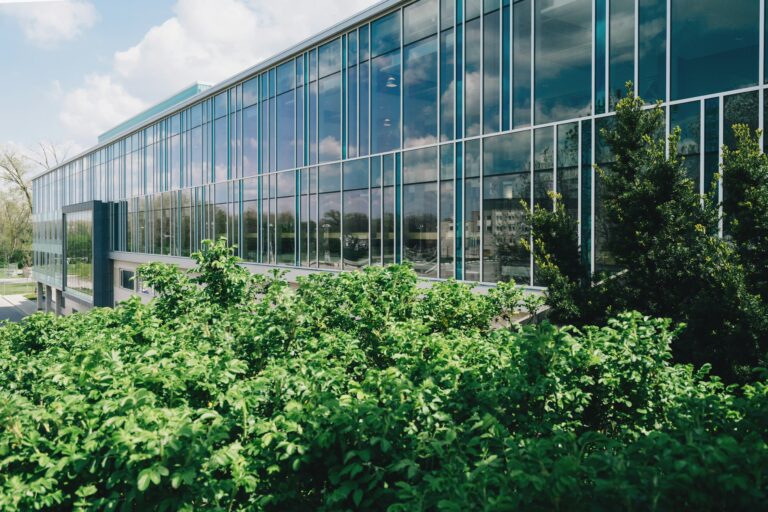
Corporate office buildings, in particular, present a strong opportunity to adopt renewable energy in a practical and impactful way. With consistent energy demand and clear areas for improvement, businesses can take structured steps towards a more sustainable workplace without overcomplicating the process.
Understanding Energy Use in Office Buildings
Office environments rely heavily on energy for heating, cooling, lighting, and IT infrastructure. However, many businesses still lack a clear picture of how and where that energy is being used. Without this insight, it becomes difficult to identify inefficiencies or prioritise improvements.
Alongside this, commercial properties are required to have a valid Energy Performance Certificate (EPC) when they are built, sold, or rented, and in some cases, this must be clearly displayed within the building. The EPC provides an efficiency rating and recommendations for improvement, making it a useful reference point when assessing overall energy performance.
Carrying out an energy assessment provides a solid starting point. It highlights areas of excessive consumption, uncovers opportunities for savings, and creates a benchmark for measuring progress. When combined with EPC insights, this foundation ensures that any renewable energy plan is built on accurate, actionable data.

Integrating Renewables in Your Workplace
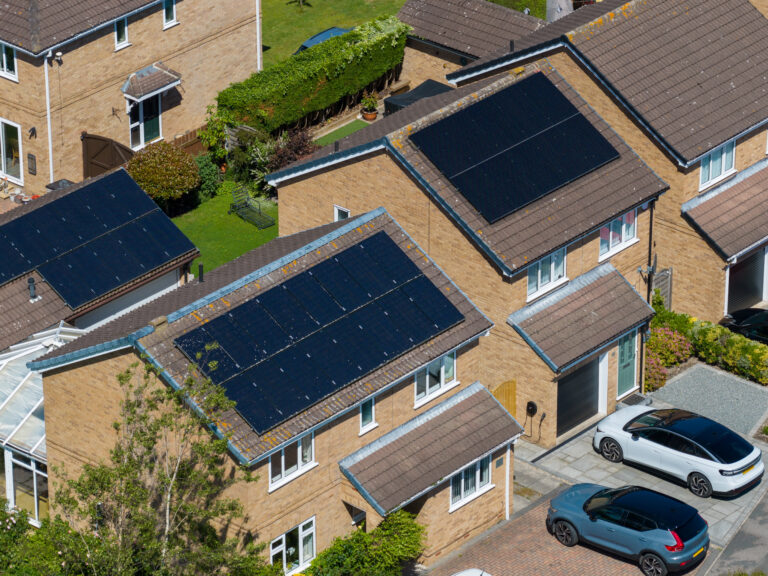
Once energy usage is understood, businesses can begin to introduce renewable energy solutions that align with their building and operational needs. Solar panels are one of the most effective and widely adopted options for office buildings, particularly where roof space is available. They offer a dependable source of clean electricity and can significantly reduce reliance on traditional energy sources.
For buildings where on-site generation is not suitable, switching to a REGO-backed renewable energy tariff is a practical alternative. This ensures that electricity is sourced from renewable generation, helping to reduce overall carbon impact without requiring structural changes.
Battery storage is also becoming more popular. By storing surplus energy generated during the day, businesses can use it during periods of higher demand, improving efficiency and making better use of renewable generation.
Improving Efficiency Alongside Generation
Introducing renewable energy is only part of the solution. Improving energy efficiency across the building ensures that the energy being generated is used effectively. Upgrading to LED lighting, optimising heating and cooling systems, and maintaining energy-efficient equipment can all contribute to reducing overall consumption.
Smart technology can further enhance this by monitoring and adjusting energy use in real time. Automated systems can respond to occupancy levels and usage patterns, helping to minimise waste and maintain efficiency throughout the working day.
Engaging Employees in Sustainability
Workplace sustainability is not solely driven by infrastructure. Employees play an important role in supporting energy-saving initiatives. Encouraging simple habits, such as switching off unused equipment or being mindful of temperature settings, can make a measurable difference over time.
Clear communication helps reinforce these efforts. When employees understand the reasons behind sustainability measures and can see the impact, they’re more likely to engage with and support long-term changes.
Planning for Long-Term Impact
A renewable energy plan should be approached as a long-term strategy. While there may be upfront investment, the long-term benefits often include reduced energy costs, improved operational efficiency, and a stronger sustainability profile.
Taking a phased approach allows businesses to implement changes gradually. Starting with immediate improvements and building towards more advanced solutions ensures that progress remains manageable and aligned with business goals.
Moving Towards a More Sustainable Workplace
Office buildings are well-positioned to lead the way in workplace sustainability. By combining renewable energy solutions with improved efficiency and employee engagement, businesses can create environments that are both cost-effective and environmentally responsible.
The transition doesn’t require drastic change overnight. With a clear plan and a practical approach, renewable energy can become an integral part of how modern office-based businesses operate. For support with implementing a renewable energy plan, get in touch with one of our specialists today, we’ll help to guide you in the right direction.