The UK Government has published its Clean Electrification Roadmap, outlining plans to accelerate the transition towards cleaner electricity across buildings, transport and industry. Published on 12 November 2026, the roadmap brings together existing policies and initiatives designed to increase renewable energy generation, modernise electricity infrastructure and reduce reliance on fossil fuels.
With electricity demand expected to more than double by 2050, the Government is looking to expand the UK’s clean energy capacity while making electricity more accessible and affordable.
But what does the roadmap involve, and what could it mean for UK businesses?
What Is Clean Electrification?
Clean electrification involves replacing technologies powered by fossil fuels, such as gas heating systems and petrol or diesel vehicles, with alternatives powered by low-carbon electricity.
This transition is intended to reduce emissions, improve energy security and limit exposure to fluctuations in international fossil fuel prices.
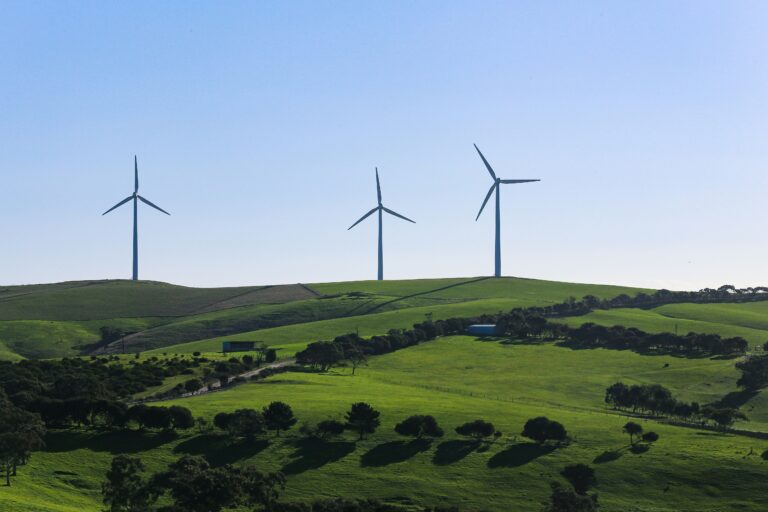
The UK has already made progress in expanding renewable electricity generation, with renewables accounting for a record 52.1% of UK electricity generation in 2025.
However, increasing renewable generation alone is not enough. The roadmap highlights the importance of upgrading electricity networks, expanding energy storage and supporting businesses and households in adopting cleaner technologies.
Expanding Renewable Energy and Grid Infrastructure
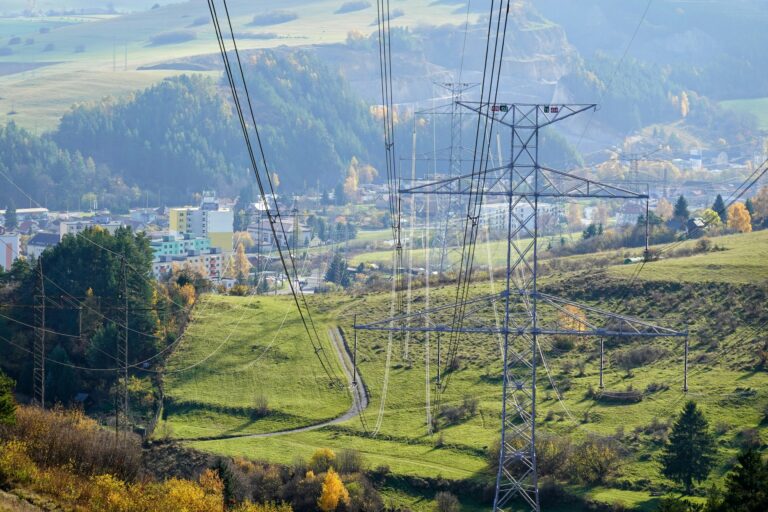
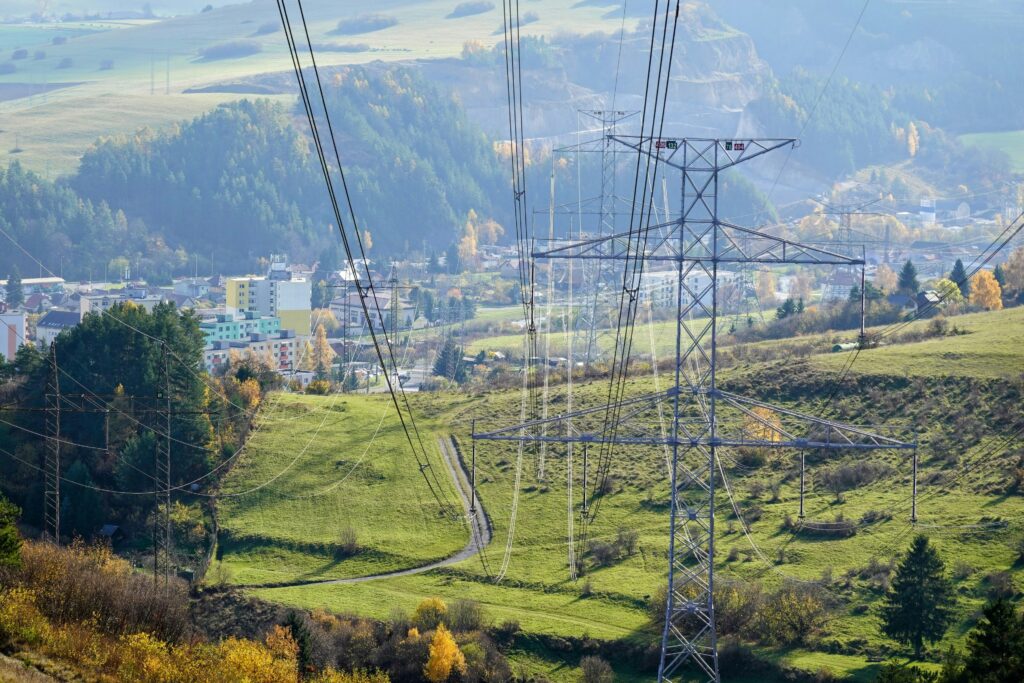
A key priority within the roadmap is ensuring the electricity network can accommodate growing demand and additional renewable generation. The Government is working to accelerate grid upgrades and reform the connection process, prioritising projects that are ready to proceed and strategically important to the electricity system.
This includes supporting improvements to transmission infrastructure and encouraging investment in new renewable energy developments.
For businesses, these changes could eventually make it easier to connect renewable energy installations to the grid, particularly for larger projects that currently face capacity constraints or lengthy connection delays. However, improvements will depend on the delivery of infrastructure upgrades and wider network reforms.
Increasing Energy Storage and Flexibility
Supporting Businesses with Electrification
What Could This Mean for UK Businesses?
While the roadmap does not introduce immediate changes for every business, it demonstrates the Government’s continued focus on expanding clean electricity and supporting wider electrification.
Over time, businesses could benefit from improved renewable energy infrastructure, greater opportunities to generate and store electricity, and more flexible ways to manage consumption.
However, the financial benefits will vary depending on factors such as energy usage, installation costs, available infrastructure and electricity market conditions.
For businesses considering renewable technologies, understanding these developments could help inform future investment and sustainability planning.
Exploring Renewable Energy Opportunities
As the UK’s energy system continues to evolve, businesses have an opportunity to review how renewable technologies could support their long-term energy requirements.
At Renewable Energy Solutions, we help businesses explore renewable energy options, identify suitable technologies and develop solutions aligned with their sustainability objectives. Get in touch with our team today to discuss how renewable energy could benefit your business.