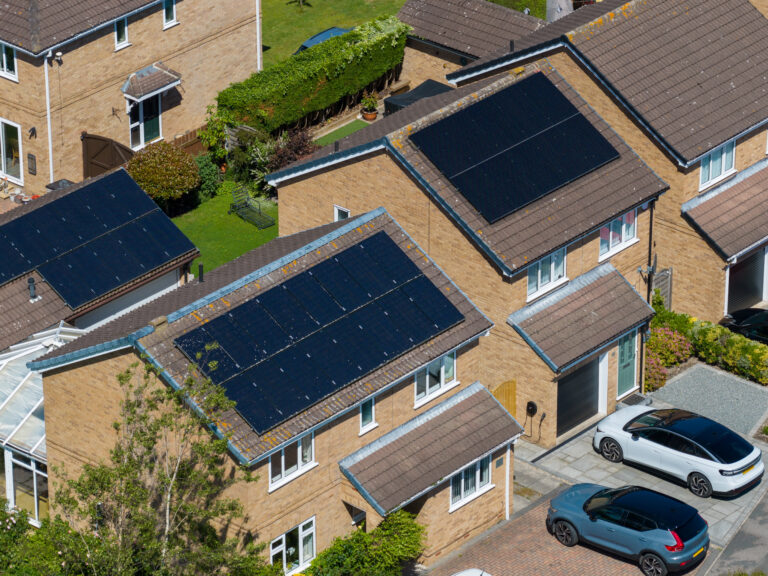

Renewable energy has come a long way in the past decade. Technologies like solar and wind are becoming increasingly common across the UK, helping businesses lower their carbon emissions and manage long-term energy costs more effectively.
Despite this progress, a lot of misconceptions about renewable energy still linger. Many of these myths come from outdated information or assumptions that don’t reflect how modern renewable systems actually perform today. Here are some of the most common renewable energy myths — and the reality behind them!
Myth: Solar Panels Don’t Work Well in Winter or Bad Weather
This is one of the biggest misconceptions about solar power in the UK. Because we’re known for cloudy skies and shorter winter days, many people assume solar panels only work properly in bright sunshine.
The Truth:
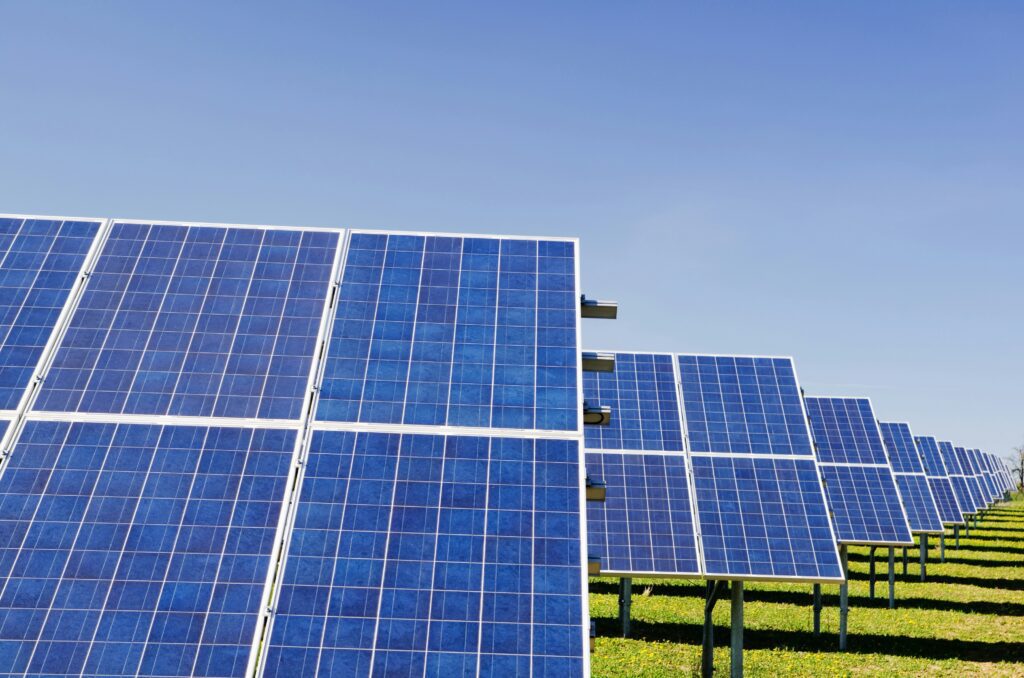
In reality, solar panels generate electricity from daylight rather than heat from the sun. That means they can still produce energy even when the weather isn’t perfect. Cloudy days might reduce output slightly, but they don’t stop generation completely.
Solar panels also continue working throughout winter. While the days are shorter, systems still produce electricity whenever there is daylight. Interestingly, cooler temperatures can even help panels operate more efficiently, as extreme heat can slightly reduce performance.
Myth: Renewable Energy Isn’t Reliable
Another common concern is that renewable energy can’t provide consistent power because the sun doesn’t always shine and the wind doesn’t always blow.
The Truth:
In reality, modern energy systems are designed to manage these natural variations. Renewable generation is increasingly supported by technologies such as battery storage, smarter grid management and a mix of different energy sources working together.
When combined, these systems help balance supply and demand, creating a more stable and resilient energy network. In fact, many countries are already operating electricity systems with large shares of renewable energy while maintaining strong reliability.
Myth: Renewable Energy Is Too Expensive
Not long ago, renewable technology did come with higher upfront costs, which helped create the perception that it was only suitable for large organisations with significant budgets. Today, the situation is very different. The cost of renewable technologies has dropped dramatically over the past decade, making them one of the most cost-effective ways to generate electricity in many parts of the world.
The Truth:
For UK businesses, there are also a range of funding options and support schemes that can make renewable projects even more accessible. Power Purchase Agreements (PPAs), for example, allow businesses to install solar systems with little or no upfront cost, paying for the electricity generated instead.
There are also government schemes designed to support the transition to cleaner energy. The UK’s Workplace Charging Scheme helps businesses reduce the cost of installing electric vehicle charging infrastructure, while other grants can contribute towards renewable installations and low-carbon upgrades.
Combined with falling technology costs and rising grid electricity prices, renewable energy is now far more financially achievable than many businesses expect.

Myth: Renewable Energy Can’t Meet Modern Energy Demand
Another myth is that renewable energy simply cannot produce enough electricity to support modern economies. This idea resurfaced after the large-scale blackout that affected Spain and Portugal in 2025. Since both countries have a high share of renewable generation, some people were quick to blame renewable energy for the outage.
The Truth:
However, investigations found that the blackout was caused by technical and planning failures within the grid, including voltage instability and infrastructure issues, rather than renewable energy itself.
Events like this highlight the importance of strong grid infrastructure and careful energy management as power systems evolve. They don’t mean renewable energy can’t meet demand. In fact, renewable generation is expanding rapidly worldwide, with solar and wind now supplying a growing share of electricity in many countries.
As storage technologies, grid upgrades and smart energy systems continue to develop, renewable energy will play an even larger role in powering homes and businesses.
Myth: Renewable Energy Only Helps the Environment
Reducing carbon emissions is one of the biggest benefits of renewable energy, but it’s far from the only one.
The Truth:
Renewables can also strengthen energy security by reducing reliance on imported fossil fuels and helping stabilise energy systems. Generating power closer to where it’s used can create a more resilient network and reduce exposure to global energy price fluctuations.
For businesses, that can mean more predictable energy costs and greater confidence when planning for the future.
Renewable energy has evolved rapidly in recent years, but some of the myths surrounding it haven’t quite caught up. The reality is that renewable technologies are more efficient, reliable and accessible than ever before.
As more businesses explore ways to reduce energy costs and improve sustainability, understanding the facts behind renewable energy can open the door to opportunities that might once have seemed out of reach.