Manufacturing is one of the most energy-intensive sectors in the UK. From powering heavy machinery to maintaining controlled production environments, factories rely on large and consistent energy supplies to keep operations running. As energy prices fluctuate and sustainability expectations grow, manufacturers are increasingly looking for ways to gain greater control over their energy use.
Renewable integration is quickly becoming a key part of this transition. By incorporating renewable energy technologies into their operations, manufacturers can reduce reliance on the grid, stabilise long-term costs, and move towards more sustainable production models. For many businesses, it is no longer simply about environmental responsibility — it is about building a more resilient and competitive operation.
The Growing Energy Challenge for Manufacturers
Energy has always been a significant operational cost for manufacturing businesses. Production lines, heating systems, lighting, and industrial equipment require continuous power, meaning energy bills can represent a substantial portion of overall expenditure.
In recent years, however, manufacturers have faced increasing pressure from volatile energy markets and rising operational costs. Many energy-intensive industries in the UK have seen production decline partly due to high electricity prices and ongoing supply challenges.
This environment has encouraged businesses to rethink how they source and manage energy. Rather than relying solely on external suppliers, manufacturers are exploring ways to generate and optimise energy directly within their facilities.
What Renewable Integration Means for Manufacturing
Renewable integration refers to incorporating renewable technologies directly into industrial operations and energy management systems. This can involve generating clean energy on site, improving energy efficiency, or combining renewable generation with intelligent monitoring and storage solutions.
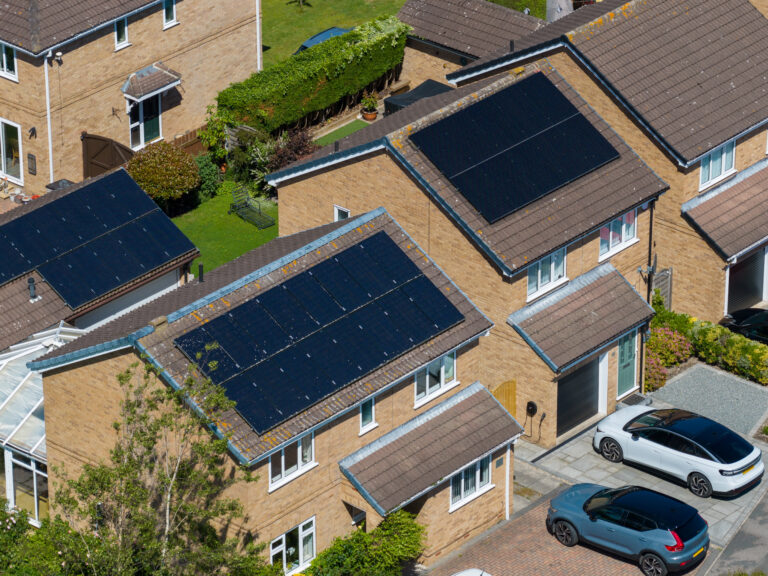
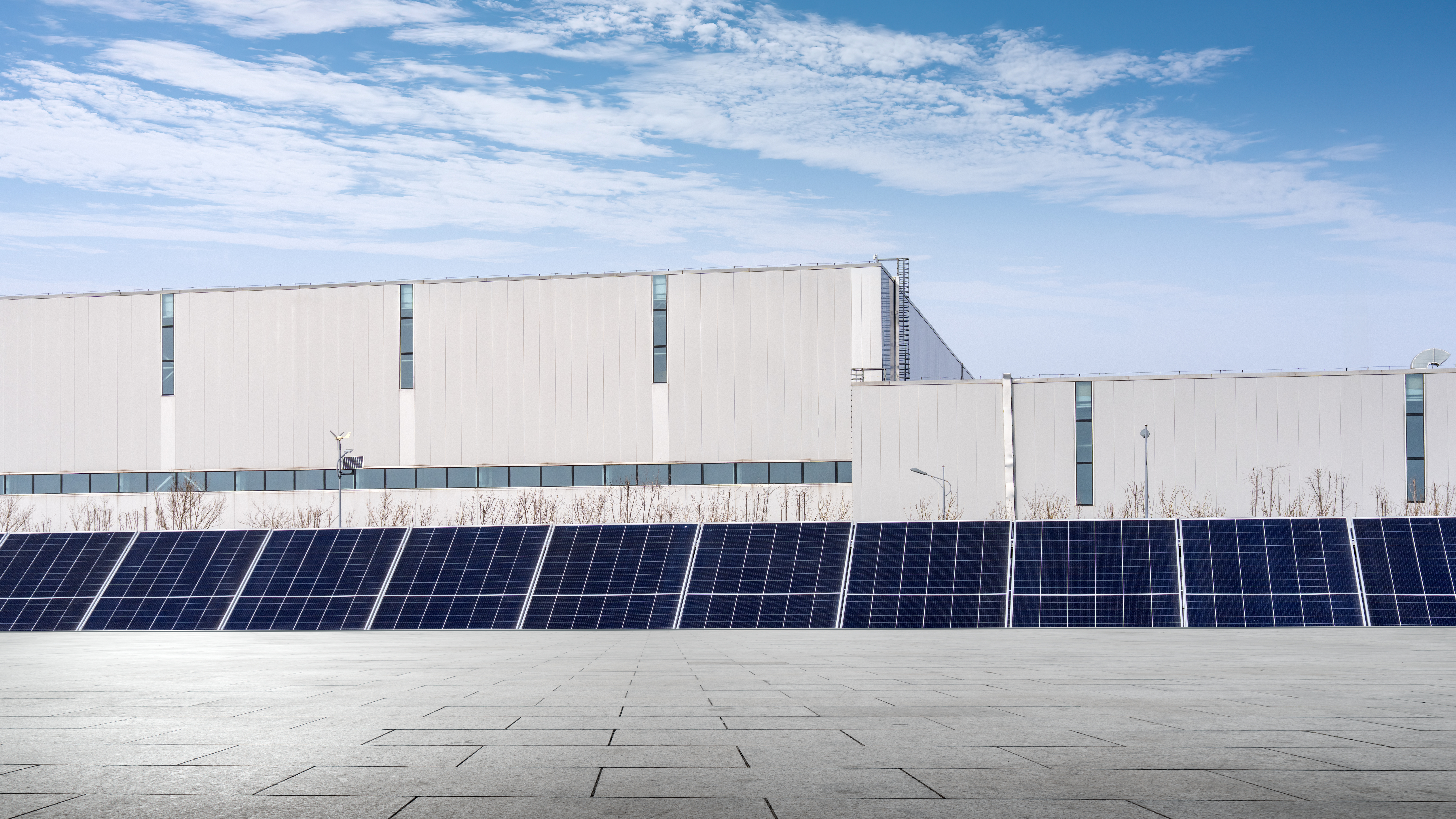
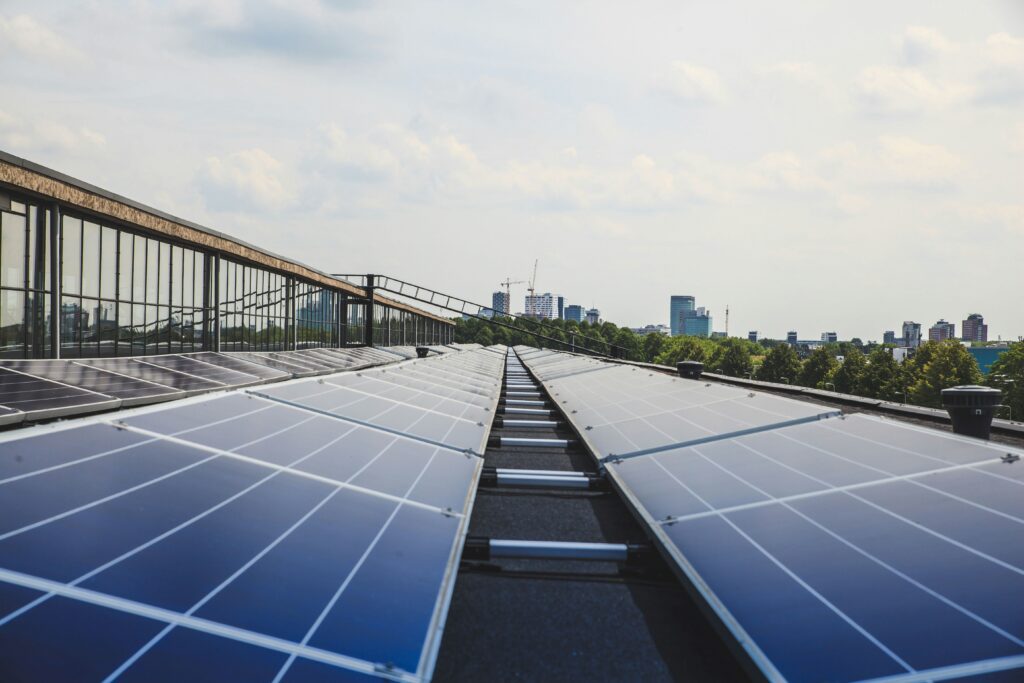
For manufacturers, this approach allows energy systems to work alongside production processes rather than simply supplying them. Technologies such as solar power can generate electricity during peak operational hours, helping businesses offset grid consumption and reduce overall demand.
When combined with energy management tools and smart manufacturing technologies, renewable energy can also help facilities optimise how and when energy is used across production lines. This integration can significantly improve efficiency while supporting sustainability goals.
Strengthening Energy Security and Cost Stability
One of the biggest advantages of renewable integration is the ability to create greater energy independence. Manufacturers that generate part of their electricity on site are less exposed to sudden price increases or supply disruptions in the wider energy market.
Renewable energy can also provide long-term financial predictability. Unlike fossil fuels, which are subject to price volatility, renewable energy systems offer more stable and predictable operating costs over time.
This stability allows manufacturers to plan investments and operational budgets with greater confidence. For organisations operating on tight margins or within competitive supply chains, this predictability can be a valuable strategic advantage.
Supporting Sustainable Manufacturing Practices
Alongside financial benefits, renewable integration plays a crucial role in improving the environmental performance of manufacturing facilities. By replacing a portion of grid electricity with renewable power, businesses can significantly reduce the carbon emissions associated with their production processes.
This is becoming increasingly important as sustainability expectations continue to grow across supply chains. Many manufacturers now work with customers and partners that prioritise environmentally responsible suppliers, meaning sustainability initiatives can also support stronger business relationships and new opportunities.
Industry research also shows strong momentum behind this shift. Around 75% of manufacturers are already planning to invest in green technologies, with renewable energy among the top priorities.
Building a More Resilient Industrial Future
Renewable integration is not simply a short-term response to rising energy costs. It represents a broader shift towards smarter, more resilient manufacturing systems.
By combining renewable energy with modern energy management strategies, manufacturers can build facilities that are more efficient, adaptable, and environmentally responsible. This approach helps businesses remain competitive while preparing for a future where sustainability and energy efficiency will play an even greater role in industrial success.
For manufacturers looking to strengthen their operations and reduce long-term costs, integrating renewable energy solutions is becoming an increasingly valuable step forward.