With energy costs remaining volatile and pressure increasing to reduce carbon emissions, many organisations are re-evaluating how they generate and use power. For businesses that rely heavily on both electricity and heat, traditional energy models can be inefficient, wasteful, and expensive over time.
Combined Heat and Power (CHP) offers an alternative approach by producing electricity and useful heat simultaneously from a single fuel source. Instead of losing heat during generation, CHP systems are designed to capture and reuse it on-site. This makes CHP particularly attractive for organisations looking to improve energy efficiency, reduce costs, and support long-term sustainability goals without sacrificing reliability.
Whether CHP is the right solution depends on how and when energy is used, which is why understanding how the technology works and where it performs best is essential.
What Is CHP?
Combined Heat and Power, also known as cogeneration, is a highly efficient method of producing energy. Conventional electricity generation typically takes place in large power stations, where a significant proportion of the heat created during the process is wasted. CHP systems operate differently by generating electricity close to where it is needed and capturing the heat produced at the same time.
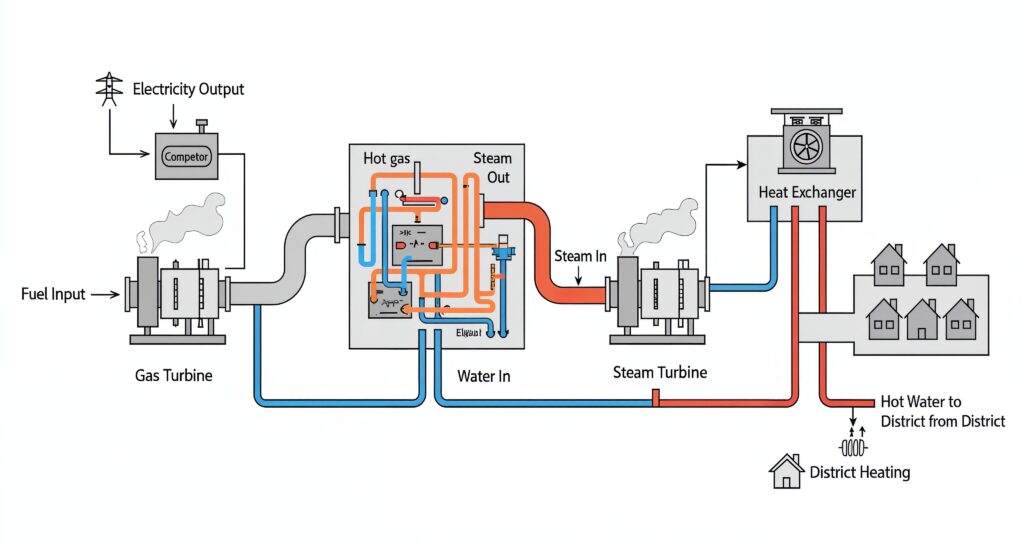
That heat can then be used for space heating, hot water, or industrial processes, resulting in a single system that delivers two energy outputs. Because energy is generated on-site, transmission losses are reduced and overall efficiency is significantly improved.
How CHP Systems Work
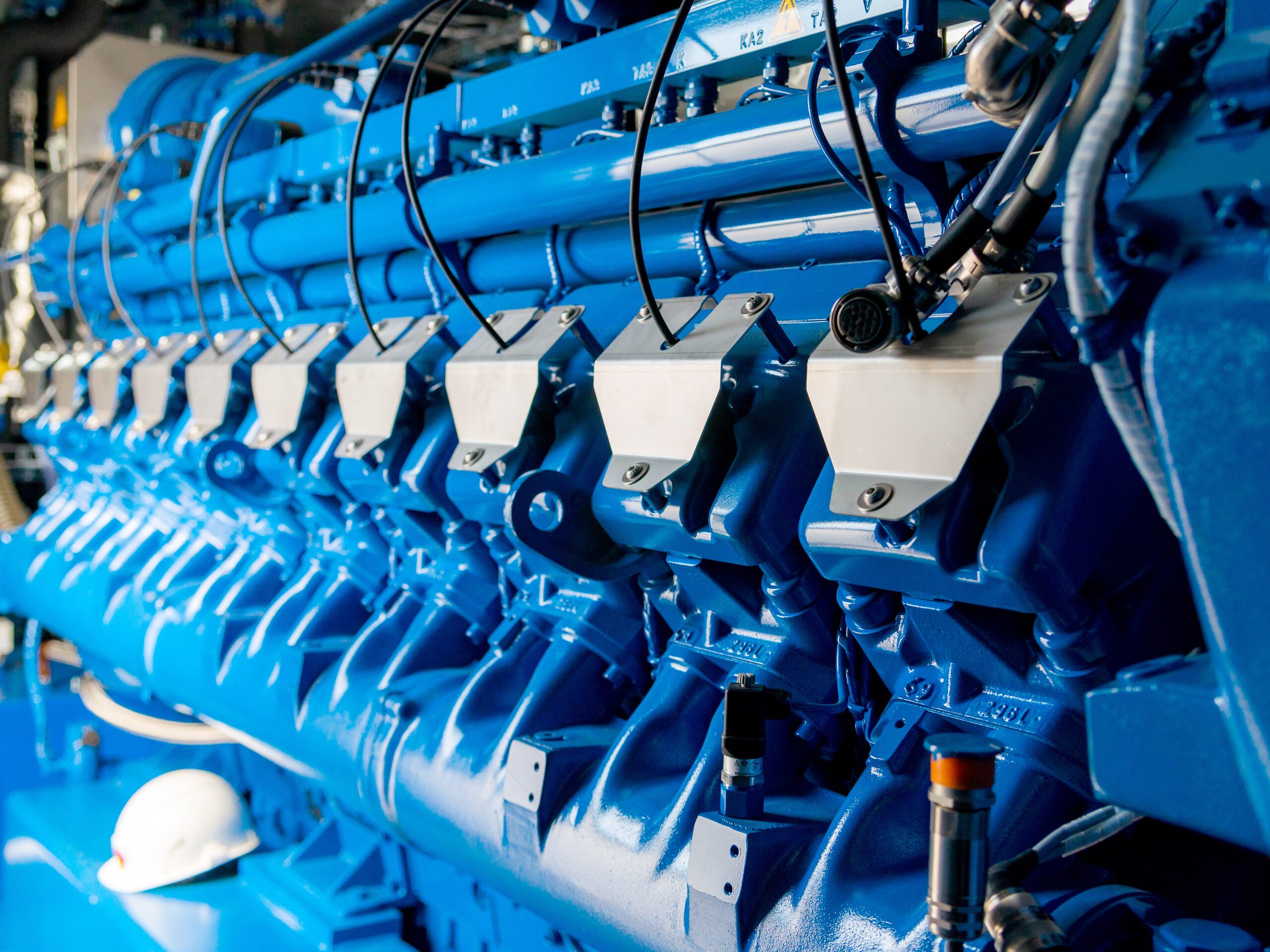
A CHP system usually consists of an engine or turbine powered by gas, such as natural gas or biogas. As the engine generates electricity, heat is produced as a by-product. Rather than allowing this heat to escape, the system captures it using heat exchangers and redistributes it for practical use within the building or facility.
By producing electricity and heat at the same time, CHP systems can achieve efficiency levels far higher than separate heat and power generation. This makes them particularly effective in settings where there is a continuous demand for thermal energy.
The Benefits of CHP
One of the key reasons organisations invest in CHP is its ability to significantly improve energy efficiency while reducing operational costs. By making better use of fuel, CHP systems can deliver both financial and environmental benefits over the long term.
Key benefits of CHP include:
- Higher energy efficiency, often exceeding 80%, compared to traditional generation methods
- Reduced energy costs by up to 30% through on-site electricity generation and lower reliance on the grid
- Lower carbon emissions due to more efficient fuel use
- Improved energy security by reducing exposure to grid outages and price volatility
- Consistent and reliable power supply, particularly for energy-intensive operations
These benefits are most pronounced in environments with steady, predictable energy demand.
Is CHP a Renewable Energy Solution?
CHP is not inherently renewable, as many systems currently operate using natural gas. However, it is widely recognised as a low-carbon technology due to its efficiency. CHP systems can also run on biogas or biomethane, and many modern installations are designed to be hydrogen-ready.
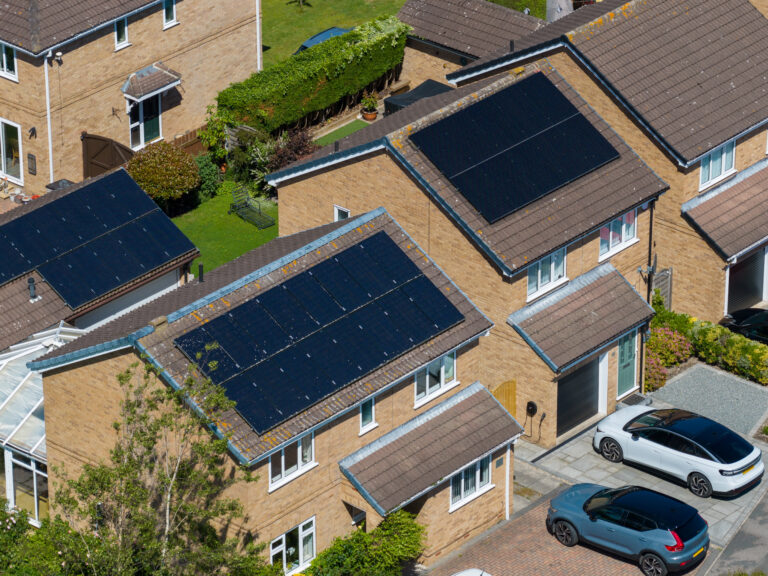
When combined with renewable technologies such as solar PV, battery storage, or energy monitoring systems, CHP can play an important role in a wider decarbonisation strategy. For many organisations, it offers a practical way to reduce emissions while maintaining energy resilience.
Is CHP Right for Your Business?
CHP is best suited to organisations that have a consistent demand for both heat and electricity. It performs particularly well in buildings that operate for long hours or require large amounts of hot water or space heating.
CHP may be a good fit for your business if:
- You require heat and electricity throughout most of the day
- Your building operates for extended hours or continuously
- You have high hot water or heating demand
- You want greater control over long-term energy costs
- You are looking to reduce carbon emissions without fully electrifying
Sectors that commonly benefit from CHP include manufacturing, hospitality, leisure centres, healthcare facilities, universities, and large commercial or public sector buildings.
Key Considerations Before Installing CHP
While CHP can deliver significant benefits, it is not suitable for every organisation. Factors such as available space, capital investment, maintenance requirements, and future energy goals should all be carefully considered. Correct system sizing is particularly important, as CHP delivers the greatest value when it operates consistently at optimal load.
A detailed energy assessment is essential to determine whether CHP is the most appropriate solution or whether alternative technologies may offer better outcomes.
A Practical Route to Greater Energy Efficiency
For organisations with the right energy profile, CHP can be a highly effective way to reduce costs, improve efficiency, and strengthen energy resilience. When integrated into a broader energy strategy, it can support both immediate operational savings and longer-term sustainability objectives.
At Renewable Energy Solutions, we help organisations assess whether CHP is the right fit and identify energy solutions that deliver measurable, long-term value. If you’d like to learn more about CHP or explore whether it could work for your organisation, our expert team is on hand to provide clear, tailored advice. Get in touch today to start the conversation and take the next step towards a more efficient energy strategy.