The UK is moving quickly towards a lower-carbon electricity system. Government policy is focused on delivering a largely decarbonised grid and power system by 2035, with strong momentum building this decade. For any UK business, this isn’t background noise. It’s important to know how this will influence energy costs, infrastructure access and long-term strategy.
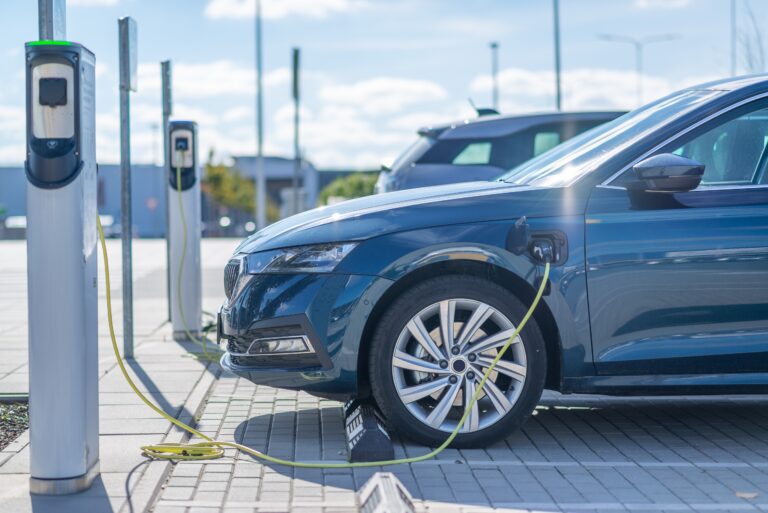
Electricity demand is expected to rise significantly as more sectors electrify. Electric vehicles, heat pumps, data centres and electrified manufacturing processes will all increase pressure on the grid. At the same time, fossil fuel generation is being phased down in favour of wind, solar and other low-carbon technologies. The grid of the next decade will look and operate very differently from the one businesses are used to today.
Why Demand Is Increasing
As the economy transitions away from gas and other fossil fuels, electricity becomes the primary energy source. Many businesses are already exploring electric fleets, electric heating systems and new production methods powered by clean electricity. This shift supports carbon reduction targets, but it also increases reliance on a grid that must expand and modernise at pace.
Forecasts suggest electricity demand could increase dramatically over the next 10–15 years. That growth creates both opportunity and complexity. A greener grid brings long-term resilience and sustainability benefits, but it also requires stronger infrastructure and smarter management of supply and demand.
Infrastructure Investment and Grid Reform
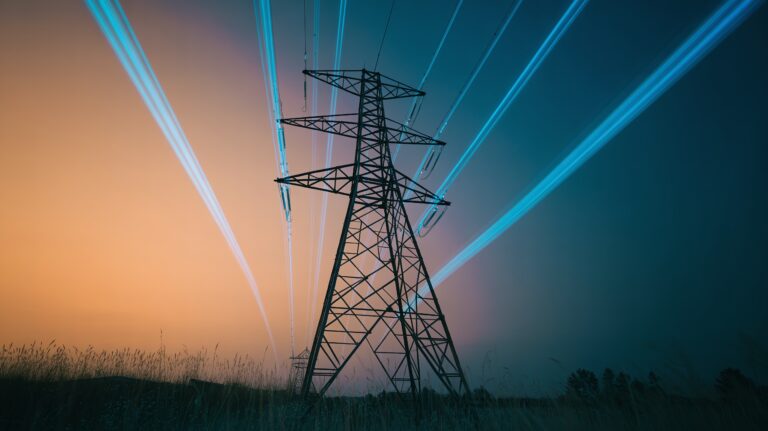
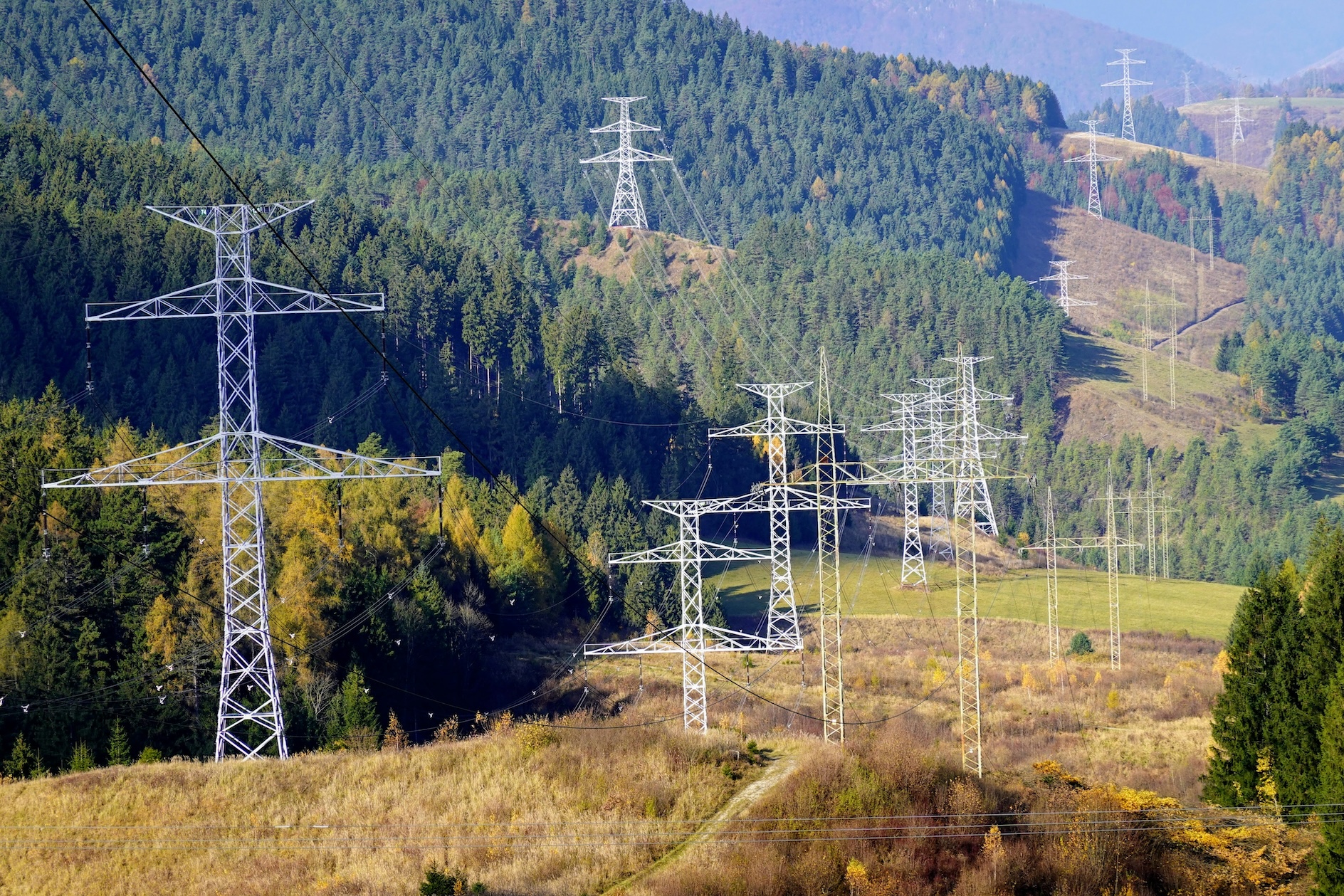
The existing grid was not designed for today’s decentralised renewable generation or tomorrow’s electrified economy. Significant investment is now being directed towards upgrading transmission networks, expanding capacity and reforming the connections process.
Connection queues have been a well-publicised issue. Reforms are underway to prioritise viable clean energy projects and improve how capacity is allocated. For a business considering on-site renewable generation or major electrification, understanding grid connection timelines is essential. Early planning and engagement with network operators can reduce delays and protect project viability.
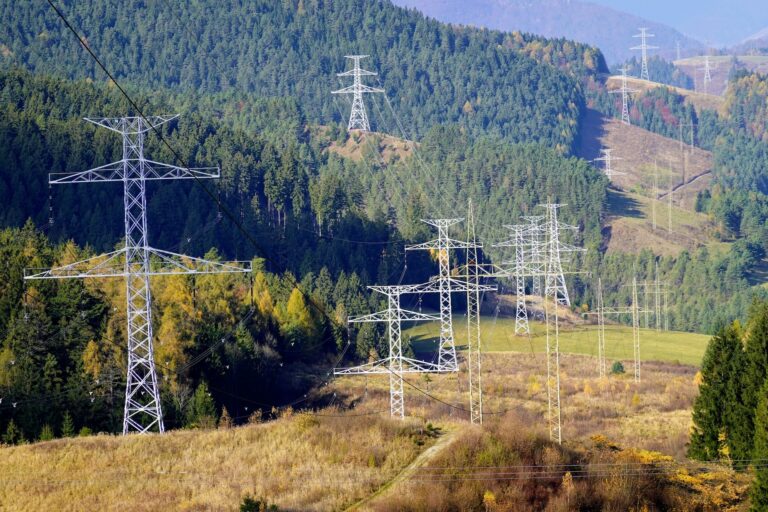
In practical terms, businesses should expect ongoing infrastructure development across the UK. New substations, upgraded transmission lines and digital grid technologies will become more visible over the coming years.
The Role of Flexibility
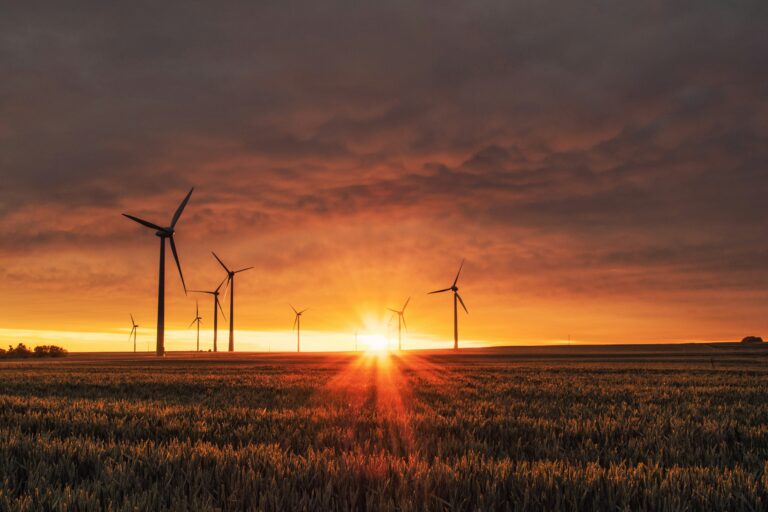
As renewable generation increases, managing variability becomes more important. Wind and solar output changes with weather conditions, so flexibility across the system is key.
This is where businesses can play an active role. Demand-side response programmes, battery storage and smart energy management systems allow a business to adjust consumption when required. In return, businesses may benefit from cost savings or revenue opportunities.
Flexibility is becoming part of mainstream energy strategy rather than a niche concept. For forward-thinking businesses, it offers a practical way to reduce costs while supporting a more stable grid.
What This Means For Energy Costs
Energy price volatility over recent years has highlighted the importance of long-term planning. A more renewable-heavy grid is expected to reduce exposure to international gas price fluctuations over time. However, during the transition period, network investment costs and market reforms will continue to shape pricing structures.
For businesses, this reinforces the value of a structured energy strategy. Power purchase agreements, on-site renewable generation and storage solutions can provide greater certainty. Monitoring policy developments and regulatory changes will also help businesses stay ahead of cost impacts.
Compliance, ESG and Competitive Positioning
Grid decarbonisation aligns closely with broader ESG expectations. Investors, customers and supply chain partners are increasingly focused on carbon performance and transparent sustainability reporting.
Operating on cleaner electricity supports Scope 2 emissions reduction and demonstrates measurable progress. For many businesses, this is not only about compliance but about strengthening brand positioning and remaining competitive in procurement processes.
The transformation of the UK grid is ambitious, but it is also well underway. For businesses prepared to engage with the changes, the transition offers greater energy security, stronger sustainability credentials and the potential for more stable long-term costs.
Renewable electricity is becoming central to the UK economy. By planning ahead and aligning energy strategy with the direction of travel, businesses can position themselves confidently for the next phase of growth.
If your business is reviewing its energy strategy in light of grid decarbonisation, Renewable Energy Solutions can provide clear, practical guidance tailored to your goals. Get in touch today for expert support.