Energy prices have become one of the most unpredictable costs that businesses face. Over the past few years, businesses across the UK have experienced sudden price spikes, volatile wholesale markets, and uncertainty around long-term energy planning. For many, it has become increasingly difficult to forecast budgets or protect profitability when energy costs can change so dramatically.
Renewables are changing that. By generating your own power and reducing reliance on traditional energy markets, businesses can create greater stability, predictability, and better management of their energy costs.
Reducing Exposure to Market Volatility With Renewables
One of the biggest advantages of renewables is that they reduces your exposure to wholesale energy markets. Traditional electricity prices are influenced by a wide range of factors, including global fuel prices, geopolitical tensions, supply shortages, and changes in demand. These forces are largely outside the control of individual businesses, yet they can have a major impact on operational costs.
Renewable energy changes the dynamic. When your business generates a portion of its electricity on-site, you are less dependent on purchasing power from the grid at fluctuating market rates. This means that even when energy prices rise across the market, your overall costs remain more stable.
Less Reliance on the Grid Means Greater Stability
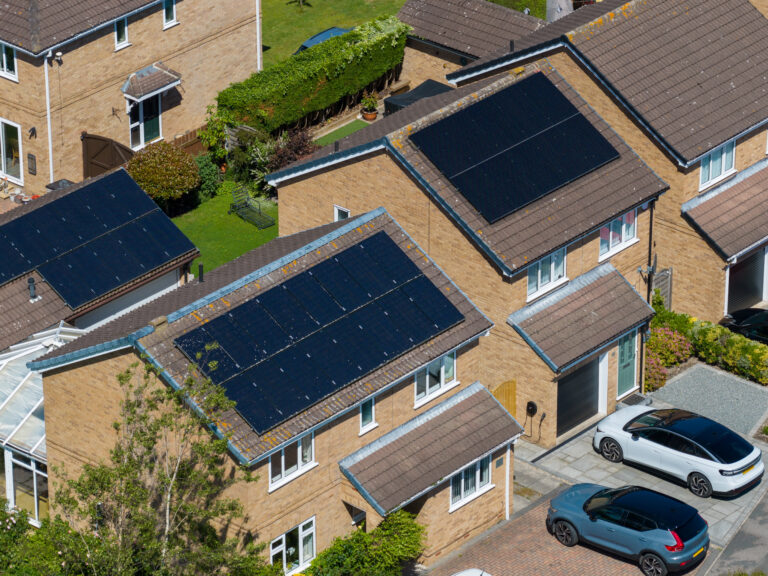
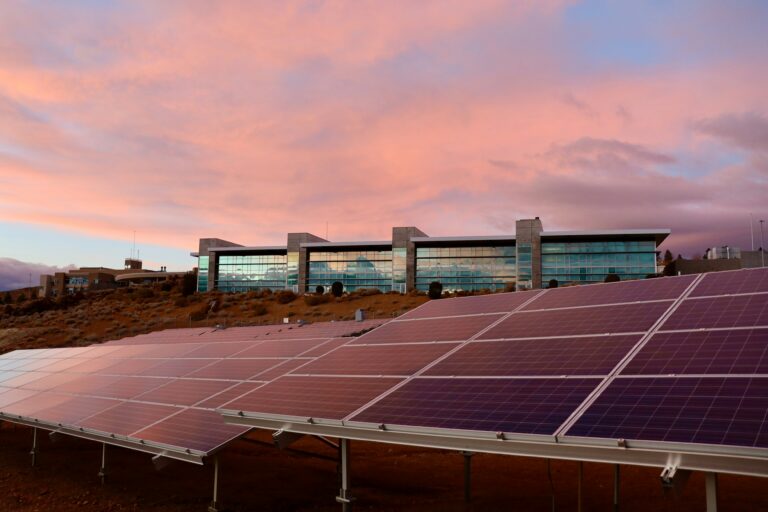
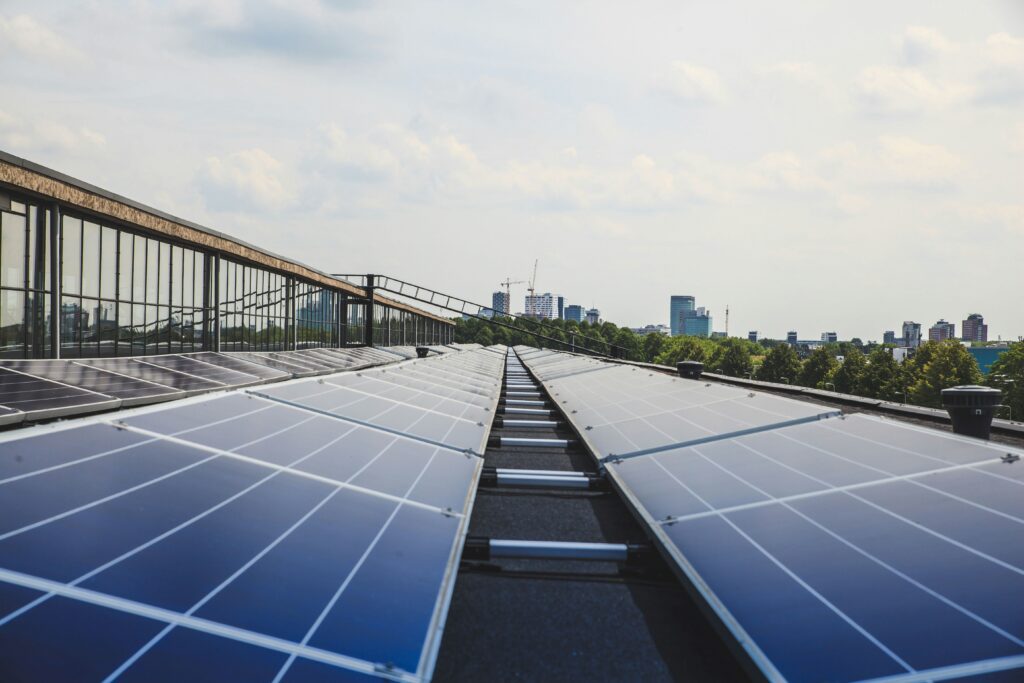
Producing your own power through renewables, such as installing solar panels, allows you to generate electricity on-site and reduce the amount of energy you need to buy from the grid. When combined with battery storage, any excess electricity produced during the day can be stored and used later when demand is higher or when solar generation is lower. This helps maximise the value of the energy you produce yourself.
Reducing reliance on the grid helps protect your business from sudden price increases and creates a more consistent cost structure over time. It also adds a level of energy independence. While the grid will usually remain part of your energy mix, generating and storing some of your own electricity means your business is less exposed to market volatility and unexpected price fluctuations.
Improving Efficiency Helps Stabilise Energy Spend
Stability isn’t only about generating energy. It’s also about using it more efficiently. By upgrading to LED lighting for example, businesses can significantly reduce electricity consumption across commercial spaces. LEDs use far less power than traditional lighting systems while also lasting much longer, as the bulbs are up to 90% more efficient.
Lower and more consistent energy usage means businesses are less vulnerable to price fluctuations because they simply need to purchase less energy overall. In addition, the longer lifespan of LED systems reduces maintenance costs and replacement cycles, helping to stabilise operational spending as well.
How to Find the Right Solutions For Your Business
Every business uses energy differently, which means there is rarely a single solution that works for everyone. The most effective approach often involves a combination of technologies that improve efficiency and reduce reliance on grid electricity.
Solar panels can generate electricity on-site, helping to lower the amount of power a business needs to purchase. LED lighting upgrades can significantly reduce electricity consumption by replacing older, less efficient lighting systems. Some businesses may also benefit from installing EV charging points, supporting staff and visitors as electric vehicles become more common.
For businesses with larger or more complex energy demands, Combined Heat and Power (CHP) systems can be another option. CHP systems generate electricity on-site while capturing the heat produced during the process, which can then be used within the building for heating or operational purposes. This improves overall efficiency and reduces wasted energy.
Since every site has different usage patterns and requirements, the most suitable solution will depend on how your business uses energy. By reviewing your consumption and operations, we can help identify which technologies, whether solar, CHP, LED upgrades, EV charging, or a combination of measures, are best suited to your premises.
Energy markets will likely continue to experience periods of volatility as the UK moves towards a more sustainable energy system. Businesses that rely entirely on external energy sources may continue to face uncertainty when planning their energy budgets.
Renewable solutions offer a way to introduce greater stability. By generating energy on-site, improving efficiency, and integrating technologies such as solar power, CHP systems, LED lighting, and EV charging infrastructure, businesses can reduce their reliance on unpredictable market forces.
For many businesses, renewable energy is becoming an essential tool not only for reducing emissions, but for creating a more stable, predictable, and resilient energy strategy for the future.